Energize Langley builds local resilience on Whidbey
Published 1:30 am Friday, December 19, 2025
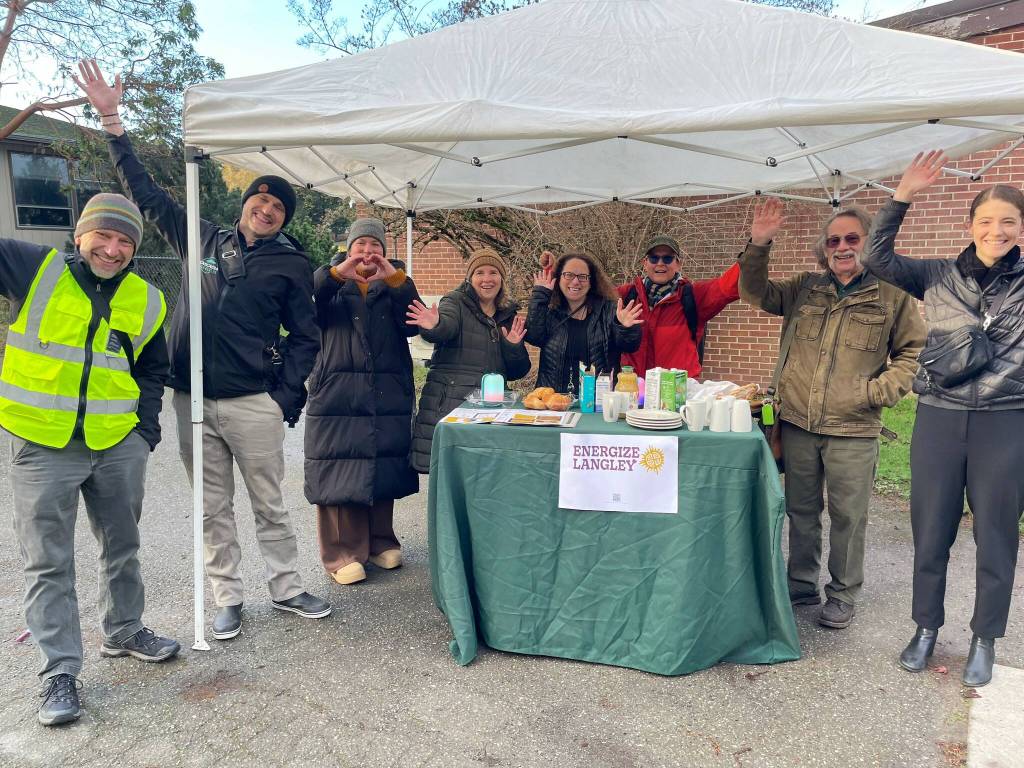
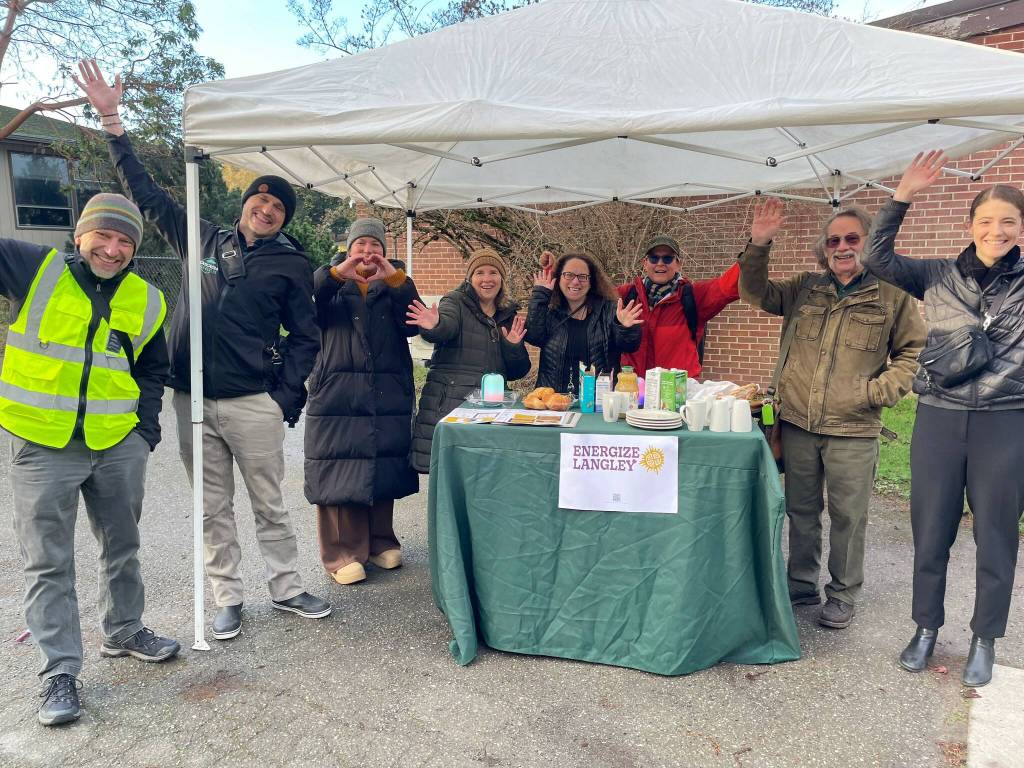


On Dec. 18, the “Energize Langley: Resilient Microgrids” project kicked off its next phase of work in the immediate aftermath of a series of major atmospheric river events that caused widespread flooding, wind damage, and power outages across the Salish Sea region, according to a press release from the city.
This week, a storm brought down trees, blocked roads and triggered a Whidbey Island-wide power outage affecting tens of thousands of residents — underscoring the urgent need to strengthen local energy resilience in the face of climate emergencies, the press release states.
After several months of rigorous community engagement and coordination with city officials and local partners, the Energize Langley team is now advancing site visits at a set of shortlisted “resilience hub” locations. These finalist sites were identified based on community priorities and technical criteria for microgrid development, including their ability to provide safe shelter, maintain critical services, and support residents during extended power outages.
The selected sites currently under study include the South Whidbey Community Center, the Whidbey Island Fairgrounds and St. Hubert Catholic Church. On Wednesday morning, site hosts and project partners gathered to commemorate the milestone and welcome the engineering team for on-site assessments.
South Whidbey Schools Superintendent Becky Clifford, Whidbey Island Fairgrounds Director Amanda Ellis, on behalf of the Port of South Whidbey, Langley Mayor Kennedy Horstman, Director of Community Planning Meredith Penny joined the Energize Langley project team, which includes engineers from Cascadia Renewables, community outreach partners from Kicking Gas and volunteer community members. While a representative from St. Hubert Catholic Church was unable to attend the morning gathering, the church later hosted the engineering team for a site visit that afternoon.
Clifford emphasized the value of partnership in rural communities,
“We’re proud of the South Whidbey Community Center as a model of community collaboration,” she said in the press release. “This shared space brings together recreation, education, arts, and family services, creating opportunities for residents of all ages to learn, grow and connect.”
The Energize Langley project is funded by a grant from the Washington State Department of Commerce and reflects a growing emphasis on public-private collaborations to address climate resilience — particularly in small, rural communities where city-owned properties alone are insufficient to meet community needs. By partnering with the School District, Port of South Whidbey and St. Hubert Catholic Church, the city is working to create a distributed network of resilience hubs with solar panels and battery storage where residents can shelter, power medical equipment, charge devices, access information, and maintain human connection during storm events.
In addition to the sites being studied now, eight other sites came forward to be considered for feasibility studies. These additional sites received desktop studies from the engineering team and may seek alternative funding to build their microgrids — improving local grid reliability and resilience.
On March 18, 2026, Energize Langley will host a public meeting (time and location to be announced) to celebrate the completion of the feasibility studies and share the final results of the project with the community. To follow the project, folks can visit the Energize Langley page on Langley’s website.
“South Whidbey School District is so excited to be a part of this project and the future potential it brings to our community,” Clifford said. “The district values climate action and reducing greenhouse gas emissions. The intent of the South Whidbey Community Center is to be self-sustaining and the community’s support in fortifying this historical building is truly appreciated. District capital funds prioritize student school buildings with limited resources for community center improvements. We are hopeful that the community center facility, although very old, continues to meet the criteria to move forward as a site for the solar and battery storage systems.”
Whidbey Island is vulnerable in the face of climate emergencies and weather events like the recent storm. It’s at the end of a long power line and is accessible only by bridge and ferry.
When the power goes out, folks in Langley get by for hours or days by running their own generators. But many residents don’t have their own back-up power system and depend on a few local businesses or organizations for a hot meal or to charge their cell phones. To fully transition off of fossil fuels, the community will need to move beyond gas-powered generators to reliable, local sources of electric solar power with battery backups so that some power can remain available even when roads are impassable and generators have run out of fuel.
“When, six years ago, we first bought a house for our retirement here on South Whidbey, the deplorable power reliability was one of the nasty surprises,” said volunteer and community member Chris Marnay “Having a professional background in microgrids, I have improved our own situation by installing a solar PV system with battery back-up and I’m eager to help the city with this effort to similarly harden the provision of emergency public services for the Langley community.”
Penny noted that climate-driven storms are becoming more frequent and more intense, prompting communities
“Langley declared a climate emergency several years ago,” she said, “and since then, the city — working closely with its Climate Crisis Action Commission — has taken concrete steps to reduce emissions and build resilience. Energize Langley is a direct result of that commitment.”