Northern neighbor to help Whidbey conquer a common ‘alien invader’— Scotch broom
Published 1:30 am Tuesday, February 24, 2026
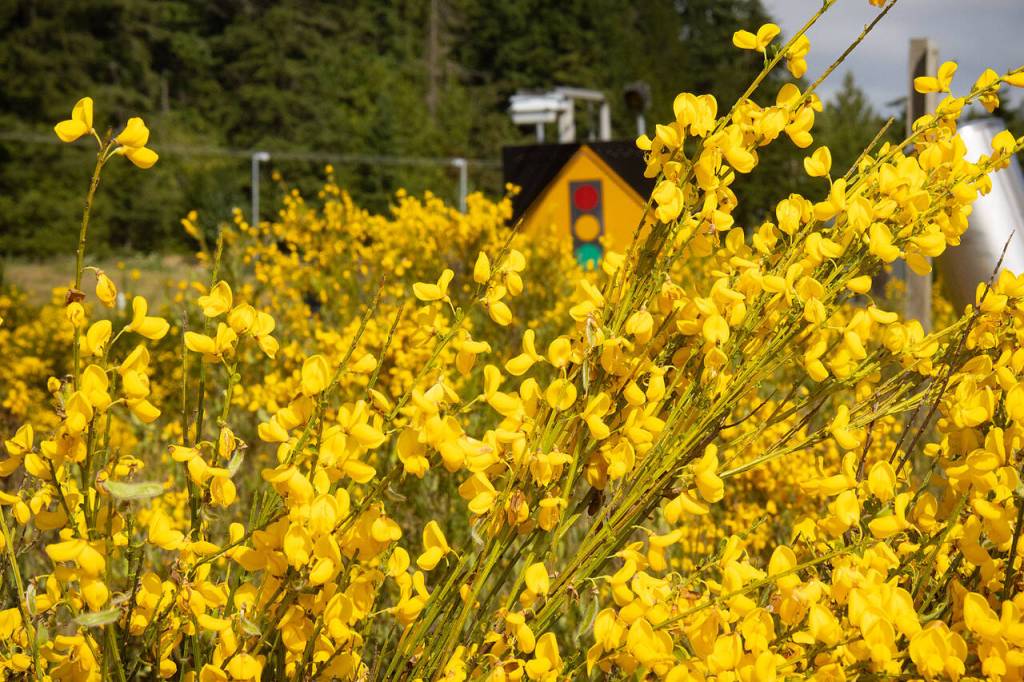
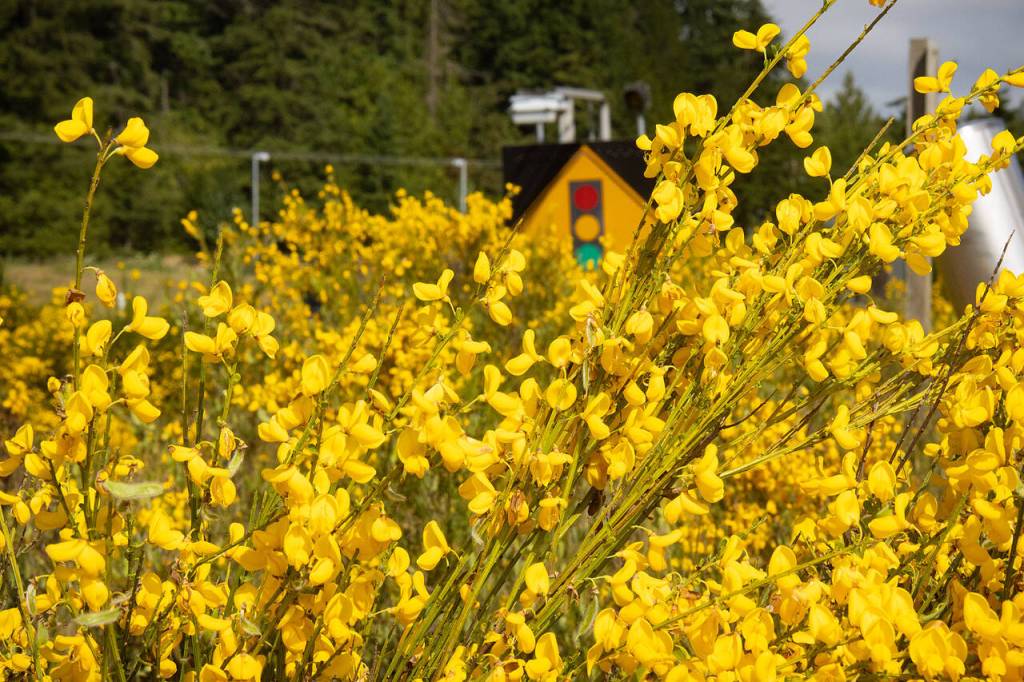
Vancouver Island is lending Whidbey Island its battle plan for vanquishing a common foe — Scotch broom. The bright yellow bloom that begins buffering highways and covering hillsides in April is considered Washington state’s top toxic woody weed.
The non-native plant is regarded as an “alien invader” that’s highly flammable, unpalatable to livestock and wildlife and a bully that keeps native plants and trees from regenerating.
It’s also oblivious to international borders.
“It’s horrible,” said Joanne Sales, executive director of BroomBusters, a Canadian nonprofit organization that’s successfully beat back broom in numerous locations on Vancouver Island over the past 20 years.
Sales has been invited to share experiences of the groups’ volunteer eradication efforts by a South Whidbey coalition gearing up for its own annual broom battle.
Called “Cut Broom in Bloom,” the March 1 talk is sponsored by St. Hubert Catholic Church’s Green Team and Goosefoot Community Fund. It begins at 3 p.m., Sunday at St. Hubert’s Catholic Church, 804 Third Street, Langley.
“Scotch broom is the worst threat to biodiversity in all of British Columbia,” Sales said in a telephone interview. “But we have found you can get it under control.”
Sales will speak via a live Zoom presentation. Giving a local perspective will be Seth Luginbill, Noxious Weed Program coordinator for Island County Public Health. The informational meeting is aimed at recruiting volunteers for work days scheduled in April, said Elizabeth Guss with St. Hubert’s Green Team that intertwines faith with earthly environmental concerns.
Mowing broom or pulling up broom by its roots doesn’t work because it doesn’t get at the root of the problem — so to speak. Such attempts just stir up and spread seeds and produce more, not less, of the pesky pernicious plant.
Instead, the plant’s stem needs to be cut below its green branches while in bloom before it seeds, then the roots will die as the plant withers and dries up in the summer, Sales explained.
“It’s a dominator,” she said. “It’s highly flammable because of its high oil content. It can grow 9 feet tall. It’s a beast. But we’ve made a lot of progress.”
The organization started its “Cut the Bloomin’ Broom” campaign in 2006, engaging support from 17 municipalities over the years. One site, Qualicum Beach, is 99% broom free.
Broombusters expects about 600 volunteers laboring for 6,000 hours during its mid-April to end of May eradication efforts this year.
Private property owners, local municipalities, park, forest, beach, camping areas and community residents all need to get educated and involved to best beat back Scotch broom, Sales said.
“It’s not been hard to get volunteers,” she said. “People want it gone.”
Whidbey volunteers will be armed with loppers and weed wrenches to cut down the plant at the height of its bloom in late April.
“This is going to take multiple years running to bring it under control,” Guss said, “but if we focus on efforts and get enough people involved we can make a difference.”
The highly visible flaming yellow harbinger of spring along state Highway 525 between Bayview and Coles roads is being targeted this year.
Last spring, after two work days of cutting and churning through two acres of broom by about 30 volunteers, piles of branches and bramble were chopped and chipped at no cost by Henry Tree Service, Guss said. The chips were spread and are being monitored.
“If we can cut the broom before it seeds and germinates, and really start to fight it, contain it and chip it, maybe we’ll find out if it works as compost or mulch,” she explained. “But that remains to be seen.”
For questions, contact Guss at cohesion@whidbey.com.