Navy concerned about affordable housing, medical care for sailors
Published 1:30 am Friday, March 20, 2026


Sailors on Whidbey are facing challenges typical of rural living.
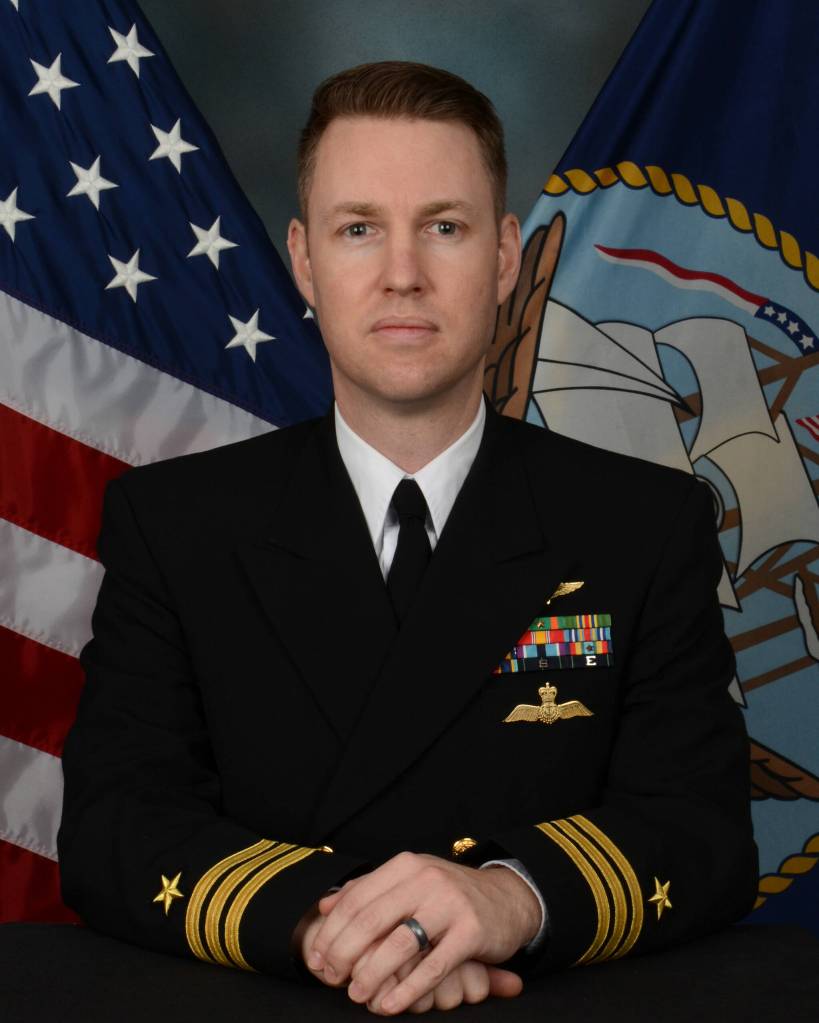
No new commands, squadrons or platforms are expected to come to Naval Air Station Whidbey Island for now, as Cmdr. Joshua Overn, an executive officer on base, reported at an annual State of the Station address on Thursday. The base’s population is anticipated to level over the next five years.
But sailors’ access to medical care and affordable off-base housing remain concerns of the base, according to Overn.
Base housing accommodates 35% of the base’s population, Overn explained, while the other 65% must live off-base to stimulate economic growth in surrounding communities, like Oak Harbor. That 35% cap is inflexible — the base can improve or replace existing housing, like with a recent $88 million barracks refurbishment, but cannot add more.
Active duty sailors and officers earn a tax-exempt basic allowance for housing, or BAH, which can be spent on housing costs like rent and utilities. Sailors’ pay grades, locations and dependents determine how much of an allowance they receive, according to the Department of War’s Military Compensation and Financial Readiness program.
Some sailors, however, are finding their allowance insufficient to cover the high cost of living in the area, and that affordable housing is limited, Overn said. Part of the issue is that the DoW’s idea of what housing sailors should be renting differs from what is available. Certain single, low-ranking sailors, for example, should rent a one-bedroom apartment or studio.
“I’m not sure how many studios we have in the community, but the number of studios they think should be available is not actually reality anywhere near the Pacific Northwest,” he said.
Overn acknowledged that living on an island means the available housing supply is small compared to that of bigger cities like Everett and Seattle. Single-family homes comprise 85% of the housing inventory in the community, according to his presentation, yet only a portion of sailors should be seeking out that kind of housing from the DoW’s perspective; 83% of sailors living off-base reside in single-family homes.
Insufficient affordable housing is a relevant topic state-wide. Washington’s Department of Commerce reported in 2023 that 1.1 million new homes would need to be added over the next two decades, the majority of which need to be affordable for “residents at the lowest income levels.”
But the Navy’s issue is rooted in enlistment trends, too, Overn explained. Generally, the Navy wants people to enlist young, then grow their families as they work through the ranks, he said. That has not been the case as of late.
“But we’re seeing more and more folks in their late 20s, early 30s joining the military already with families, and the DoD and the DoW can’t keep up with that,” he said. “Thus, when cost of living is high, BAH is covered, and they have more dependents. And per DoW policy, they should be having that because of the way that it’s directed. It becomes a burden, a financial hardship, on ourselves.”
Losing a full hospital and emergency has also presented challenges to sailors.
Naval Hospital Oak Harbor was officially renamed Naval Health Care Clinic Oak Harbor in 2017, according to Navy Medicine Readiness and Training Command Oak Harbor. Overn’s presentation noted a “divestiture of capabilities and staff” by the Defense Health Agency and the Bureau of Medicine and Surgery, as well as a “staff reduction and restructure from military to civilian providers.”
Overn pointed out that installations within large populations, like San Diego, Norfolk and Jacksonville, still have their own hospitals.
Without a hospital on base, sailors must find other medical facilities for themselves and their families which take TRICARE, a military healthcare program. The DoW identified several suitable facilities within a 50-nautical mile radius of the base, but accessing medical care is not as simple as finding a facility taking the right insurance.
WhidbeyHealth in Coupeville and Island Health in Anacortes, located within 30 minutes of the base, are a couple of the facilities the DoW identified. But all others — Skagit Valley Medical Center, St. Joseph Hospital, Providence Regional Medical Center, Seattle Children’s Hospital, Naval Hospital Bremerton and Madigan Army Medical Center — can take an hour or more to get to, a trip sometimes involving a ferry ride, Overn explained.
“When it comes to some of the requirements for medical care and coverage for our sailors, they have to travel,” he said. “And we know how difficult it is to travel to the Seattle area from here. Which, for those who are new here — they find it frustrating.”
During time for questions, an audience member asked whether there is discussion about the possibility of the hospital district receiving impact aid — the way schools in Oak Harbor do — as compensation for “picking up the slack” of the former Naval Hospital Oak Harbor.
Oak Harbor Mayor Ronnie Wright, spoke up from the audience, answering that the city has a discussion with the Pentagon about this matter “every single year” and stressed that it is something the city is “advocating for.”
Ultimately, Overn explained that a policy decision like that would be made at a level higher than NAS Whidbey. But he encouraged people to continue sharing their concerns.
“The louder the voice, the more traction we can get,” he said. “So, I hear you.”