City looking at restrictions on RV parking
Published 1:30 am Tuesday, April 21, 2026

If Ms. Frizzle were to park her magic school bus on the streets of Oak Harbor in the future, it might be at risk of impound.
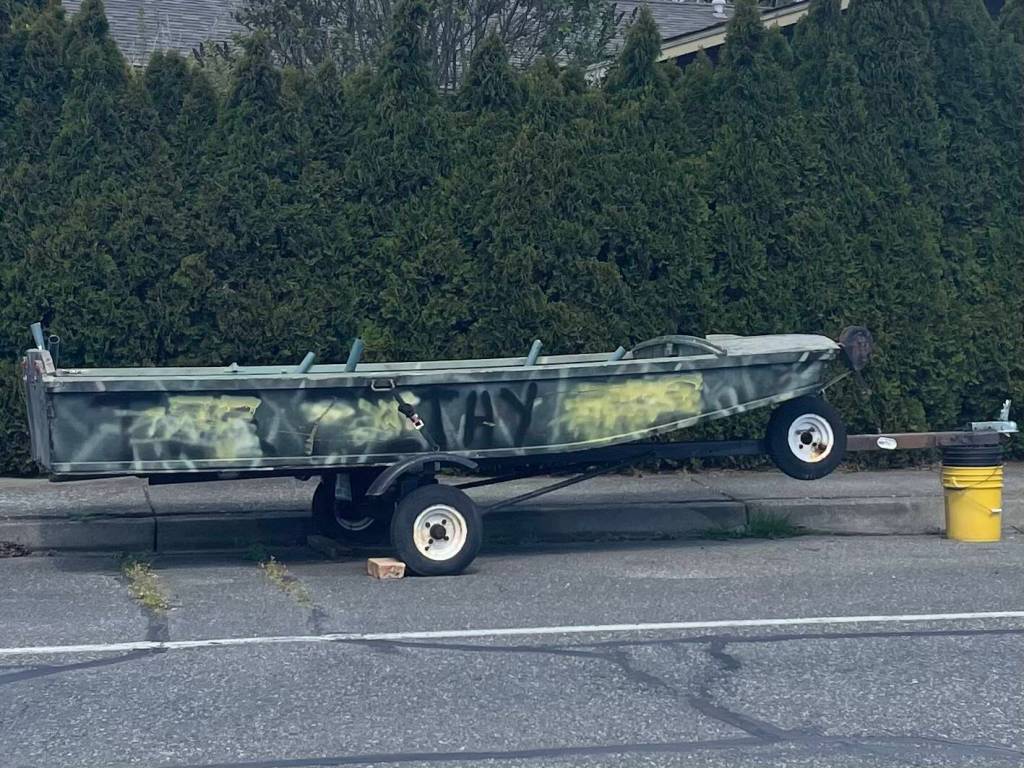
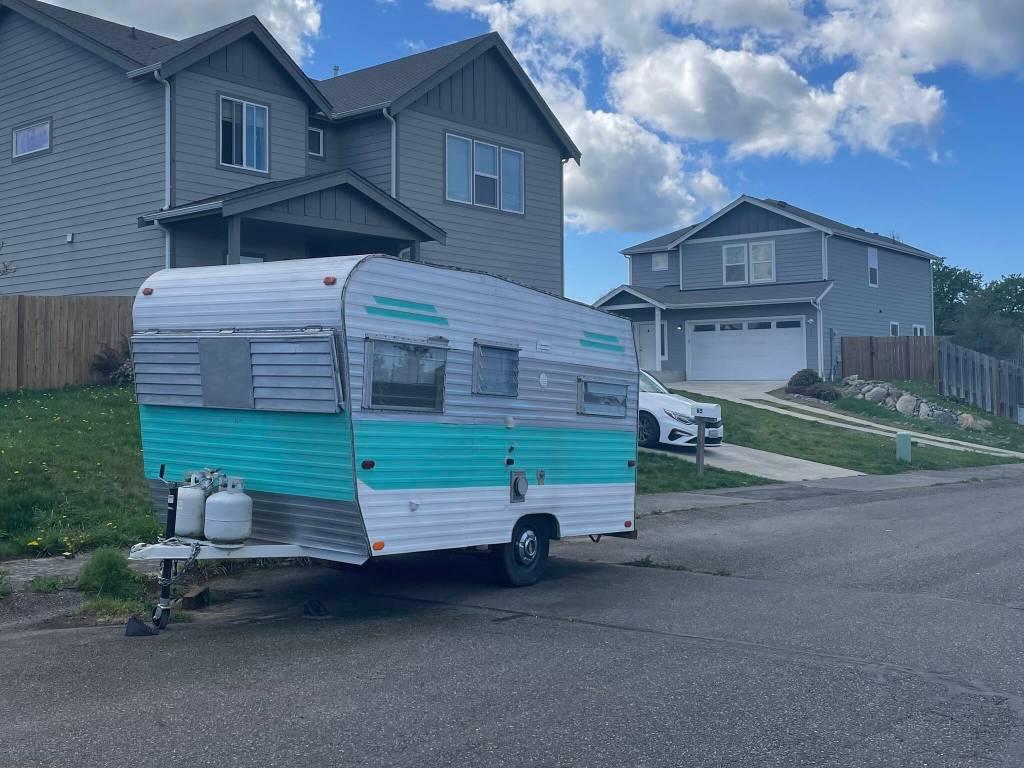
At a city council workshop Tuesday, Police Chief Tony Slowik presented a staff recommendation to impose city-wide parking restrictions on vessels, trailers, recreational vehicles and other oversized vehicles. The proposal is driven by concerns from residents that such vehicles often sit unused on public streets, occupying limited parking space and, in some cases, contributing to environmental and safety hazards.
Yet adoption of the ordinance isn’t asssured, as council members expressed reservations and suggested possible changes. The proposal is expected to return to the council for a motion on May 5.
Slowik cited five verified incidents of recreational vehicles spilling human waste in violation of city codes, creating what he described as an unsafe environment for both residents and the ecosystem. Additionally, he noted RV owners dumping human waste into city stormwater drains. Approximately 85% of that illegal dumping flows directly into the Puget Sound, posing risks to marine wildlife and potentially placing the city in violation of its Washington Phase II Municipal Stormwater National Pollutant Discharge Elimination System permit, he said.
Slowik also noted that city streets are not designed to accommodate the combined width of large parked vehicles alongside moving traffic and that some of these vehicles have remained in place for years.
Under current rules, large vehicles can only be removed by the city if they lack proper registration. Slowik’s proposal would make it unlawful to park any vessel, trailer or vehicle exceeding 22 feet in length or 8 feet in width on a street, alley or public way for more than 12 hours. Oak Harbor police would give violators a 24-hour notice before removal. The proposed ordinance would still allow parking for up to five days in front of a registered residence, after which the vehicle must be removed from the city right-of-way for at least 72 hours before the exception resets.
Mayor Ronnie Wright said the issue has been raised by several residents during a Wright Blend event.
“One of the things that I ran on was public safety and these vehicles — whether they’re RVs, or boats or whatever they are — pose a very big threat to people’s ability to drive,” he said. “And we have children playing in neighborhoods that are running into streets and these are potent big hazards for big accidents and I don’t want that on my shoulders.”
Despite noting underlying concerns about these parked vehicles, council members expressed reservations about the proposed ordinance, particularly due to its potential impact on vehicle owners.
Councilmember Bryan Stucky said his primary focus lies with regulating parking in residential areas rather than near schools or other high-traffic locations. Stucky also questioned whether the city has sufficient storage capacity for displaced vehicles, while Councilmember Barbara Armes noted that some owners may not be able to afford storage fees.
Councilmember Eric Marshall added that many residents purchased their vehicles with the expectation they could park them on public streets. He further noted that some police photos of oversized vehicles showed well-maintained units with adequate surrounding space. Based on that, he said, he would lean toward exploring a permit system, potentially limited to parking in front of an owner’s residence.
Stucky also raised concerns about practical scenarios, such as residents leaving town for more than five days or hosting extended visitors. He indicated he could support the measure as long as it better accounts for exceptions.
“The intent is good but the unintended consequences may be sticky,” Stucky said.
Councilmember James Marrow said he generally supports an ordinance of this kind but wants to make a clear distinction between individuals living in their vehicles and those simply storing them on public streets. He also emphasized that storage costs should not fall on taxpayers.
Councilmember Chris Weigenstein said he is not comfortable with the ordinance in its current form and suggested it might be more appropriate in commercial zones. He and Mayor Pro Tempore Tara Hizon expressed interest in a permitting approach. Hizon said she would ultimately prioritize safety above other considerations.