Langley decides on initial property tax increase amount
Published 1:30 am Friday, July 10, 2026
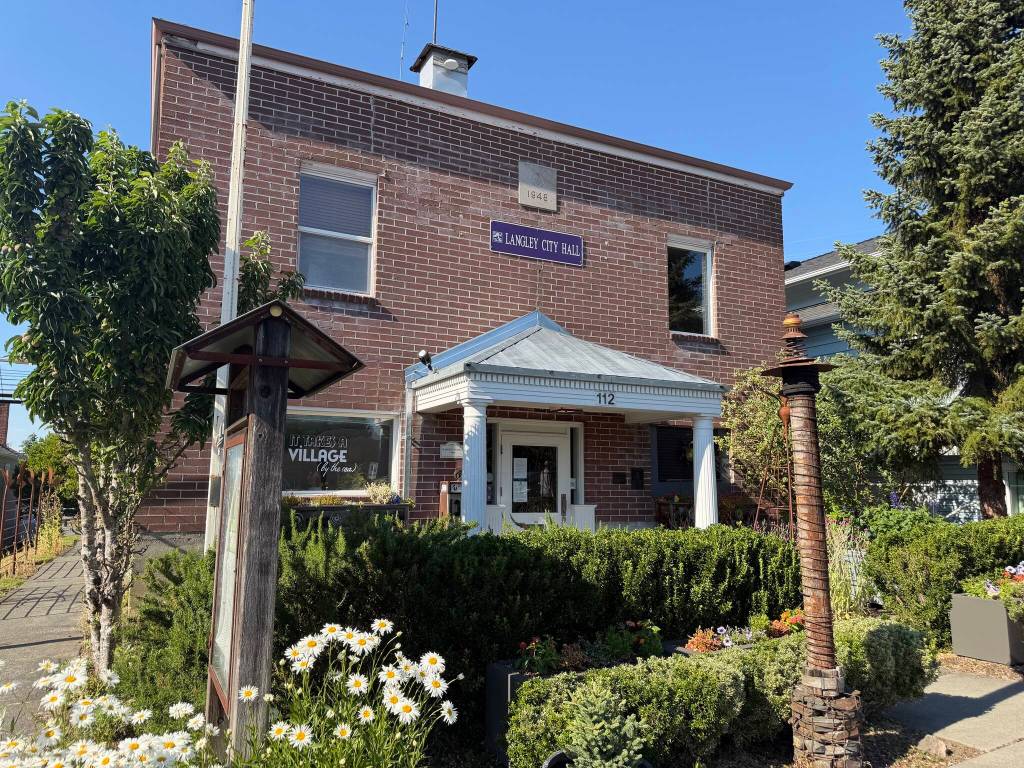
Citing mounting financial pressures, Langley officials settled Monday on a preliminary property tax levy rate that would increase taxes on the average homeowner by about $563 a year if voters approve the measure in November.
The council settled on a preliminary levy rate of about $1.74 per $1,000 but will make a final decision July 20. Based on city estimates, the average assessed value of a property in the city is $770,000, and the current annual property tax bill for the average homeowner is about $4,505. The current city levy rate is slightly less than $1.01 per $1,000.
If approved, the levy would increase the city’s annual property tax collections from about $492,000 to about $848,000. State law limits annual increases in regular property tax levies to 1% unless voters approve a levy lid lift.
Council members and city staff said the levy is needed to address the city’s deteriorating financial position.
They pointed to emergency preparedness expenses, the need for regular facility maintenance, outdated software and hardware, two active public records lawsuits against the city, insufficient staff compensation and the lack of a dedicated city administrator as reasons a levy rate increase is needed.
“The city’s financial position is not good,” Mayor Kennedy Horstman said. “If you count the lack of a city administrator, we are significantly underwater, but even excluding that, we’re still one crisis away from serious trouble.”
Kelly Beech, Langley’s finance director, highlighted the need to fund a city administrator position, especially given Horstman has had to take on many city administrator duties as mayor.
“I think that a fully-funded, full-time city administrator being on board would make some of these conversations go away,” Beech said. “There would be somebody who was managing all of this, looking at the big picture all the time, bringing it to your attention way sooner. … I think that part of the reason that we are kind of in the boat we’re in is because we haven’t had that.”
Horstman noted that Langley has already taken steps to cut costs and some services as a way to bring its expenses in line with its revenue. The city has cut staff and approved sales tax increases to fund transportation and law enforcement. However, she said those efforts have ultimately been inadequate in addressing the city’s larger budgetary issues.
Councilmember Thomas Gill explained that Langley cannot afford to be back in the same place it is in now if the council sets the levy increase too low.
“I don’t think we can sell ourselves too short on this, because I don’t want the city coming back to the people in five years saying, ‘Hey, we screwed up, we didn’t do enough. We thought we were doing it, we totally missed it and now we’ve got to do this again,’” Gill said. “And we have to have the same conversation to say the same public arguments about what we need and what we don’t need.”
However, council members acknowledged the current affordability crisis and the significance of what they are asking of Langley residents.
“I, as a representative, am also being mindful of the dire affordability situation locally,” Councilmember Chris Carlson said, “and I think it’s important that with this first levy lid lift in 20 years that we show that we’re being conservative in our ask, because it’s hitting particularly people in Langley with tight fixed budgets who are living off of social security hard.”
Gill stressed that, regardless of the outcome of the levy lid lift, Langley needs to do more to increase its tax base over the long-term.
“This city cannot continue to be 1,200 people in a postage stamp,” he said. “There’s no way we can survive, no matter what we do with levy lid lifts. We have to increase our base population, we have to increase that tax base, because otherwise everyone’s just going to get taxed out of town.”
The council is expected to finalize the levy rate July 20 so the measure can appear on the November ballot.