Candidates stake out priorities for auditor’s office
Published 1:30 am Friday, July 17, 2026
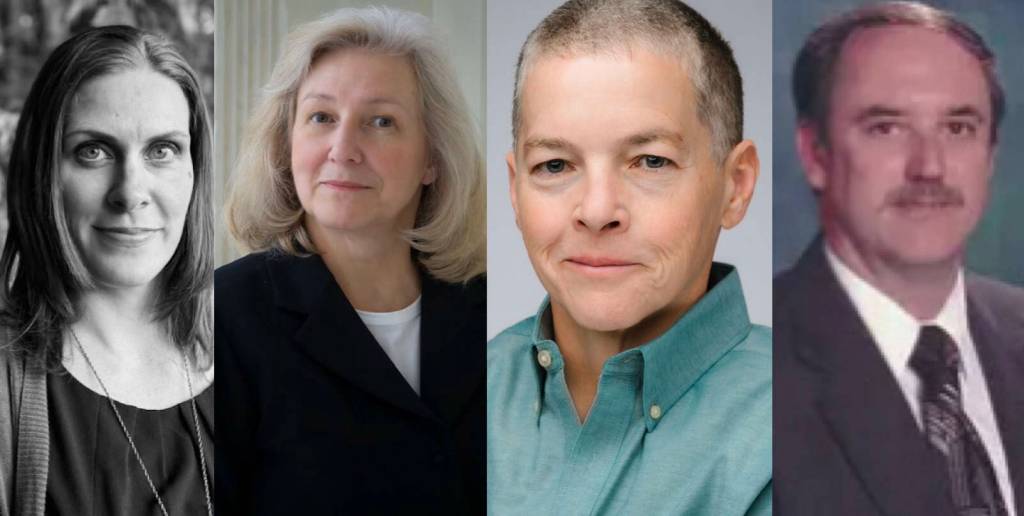



Candidates for Island County auditor agree the office faces staffing challenges but differ on its biggest priorities, with challengers emphasizing public outreach and the incumbent pointing to election security and experience.
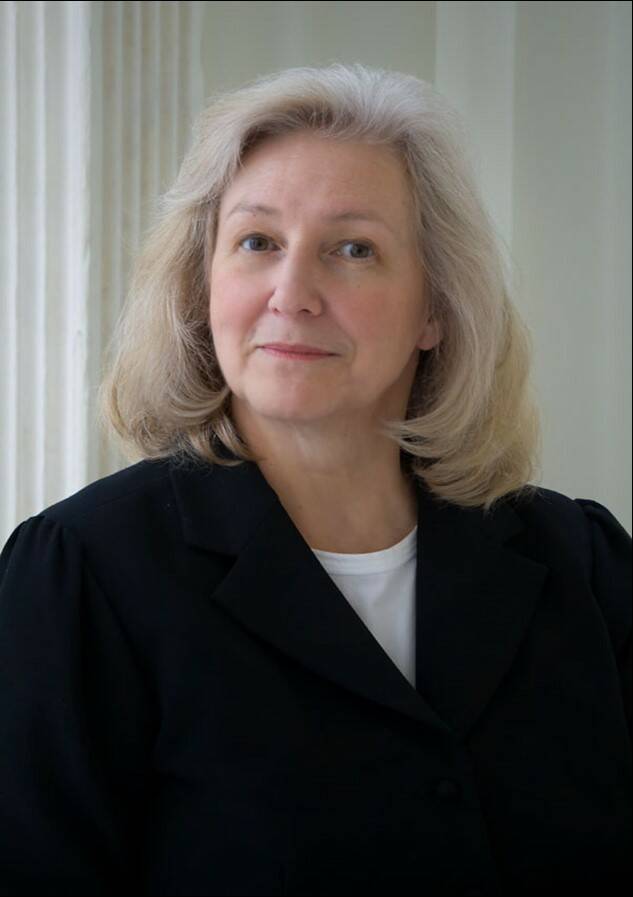
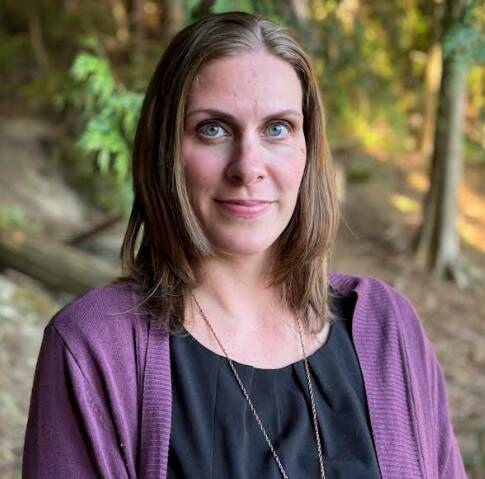
Andrea Downs, Barbara Fuller and Terry Lacey are challenging incumbent Sheilah Crider to become the county’s auditor. Lacey, who does not have a party preference, declined to be interviewed for this story. The candidates will be narrowed to two in the Aug. 4 primary election.
Downs said she is running because she wants the auditor’s office to remain “grounded in the democratic process.”
Downs, a Democrat and Freeland resident, is a longtime South Whidbey School District board member with 16 years of experience working in education as both a teacher and an administrator. Currently, she is the executive director of CADA, or Citizens Against Domestic and Sexual Abuse.
Though she has not worked in an auditor’s office, Downs said she has begun learning about the position. She has had conversations with other auditors in comparable counties to learn about the on-boarding process and what resources may be available during that transition.
“I’m not afraid to build that phone tree and find out who do I need to talk to, who understands this process and who knows what it’s supposed to look like, and learn and listen from them,” Downs said.
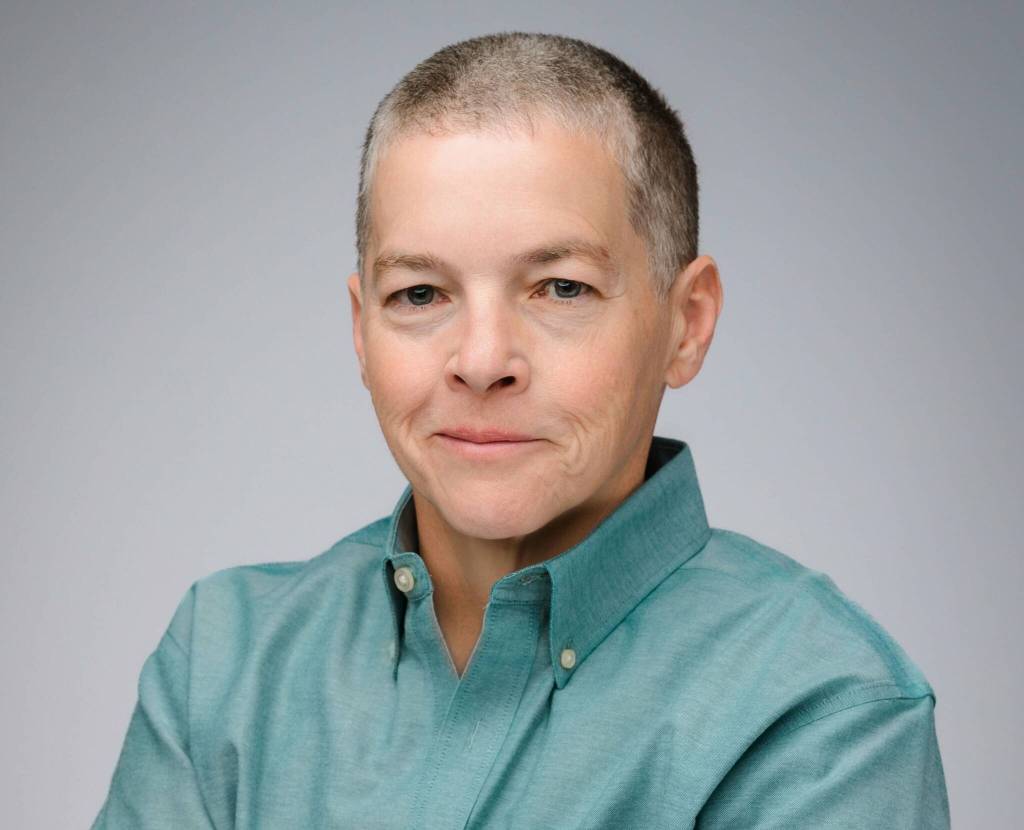
Fuller, a Democrat and Coupeville resident, said she wants to modernize the auditor’s office and isn’t satisfied with maintaining the status quo.
Fuller said her priorities have changed little since her unsuccessful 2022 campaign, though she has expanded her social media presence and public outreach. Currently, Fuller is a member of the county’s Civil Service Commission, which is responsible for recruiting employees and deputies with the Island County Sheriff’s Office. Fuller worked as a police officer herself and also has extensive experience in auditing and regulatory compliance.
“My background has really groomed me to be an auditor,” she said. “When you look at the job description and you look at my history, it really just rolls into it pretty seamlessly.”
Crider, an Independent and Oak Harbor resident, feels her work isn’t done at the auditor’s office, hence her bid for reelection.
Crider has held the position for nearly two decades. She is a certified elections administrator. She said the certification requires at least 1,000 hours administering elections, a written exam and other qualifications.
Crider said she has improved cybersecurity and election processing technology during the past four years to strengthen confidence in the election system.
“We’re always on the watch for anything that is unusual,” she said. “This is a nationwide issue. It has proven to be substantial in the past eight years.”
According to the county voters’ pamphlet, Lacey has worked in construction for more than 20 years, has extensive experience with administration and budgeting and understands “the importance of good and proper communications with the public.”
Staffing is an area of the auditor’s office that candidates believe should be improved.
Downs and Fuller expressed concerns about the position of chief accountant being vacant for nearly a year and about the forthcoming retirement of Michele Reagan, the elections supervisor.
Downs called these positions “critical” and wants to examine recruitment processes and succession planning. Fuller is interested in understanding why an important role like the chief accountant has remained vacant for so long, and she suggested attracting candidates might be about more than money.
But according to Crider, “salary makes all the difference in the world.” A higher-paying job in Ellensburg drew the previous chief accountant away. Recruiting for a new chief accountant began about the same time, and candidates for the position are just now in their second round of interviews.
Crider said the lengthy hiring process highlights how difficult it is to fill the position, particularly in a county with limited budget flexibility.
Reagan is retiring at the end of the year, and the auditor’s office is preparing to advertise for her position in August. Crider also wants to secure funding to hire and train another employee so the office has backup when key employees retire or leave.
Fuller also said she would look for more cost-effective and sustainable ways to operate the auditor’s office. Increasing awareness and understanding of the auditor’s role in the county may be an important issue as well.
Downs believes there is a “real need for presence and communication” from the auditor’s office throughout the county. Increasing the use of social media platforms and websites may be useful, she suggested. Not everybody has time to attend forums or other community outreach events.
Doing so builds trust within the community and works to “dismantle some of the facades” built around the auditor’s role and how elections are conducted, she said.
“The number one question when I’m talking with community members is, ‘Do you know what the auditor’s office does?’ Most people don’t,” Downs explained. “I think that’s something that I would really like to shift and change in our community, where they know that role, what that role does.”
Fuller recalled similar experiences in the community and agreed that visibility is important.
A clear understanding of the auditor’s role is critical, Fuller said, because it concerns how people can make their voices heard. Getting the community increasingly involved in the election cycle and making staff available for feedback and conversations is important.
That is their duty, after all, she explained.
“At the end of the day, we’re in a position where we’re serving the community,” Fuller said.
Crider said the office promotes transparency through open houses and advertising in print and online. Tight schedules, she believes, are keeping people from attending outreach events the office hosts. But she emphasized the desire for more community involvement.