Langley considers options for inclusionary zoning revisions
Published 1:30 am Tuesday, August 4, 2026
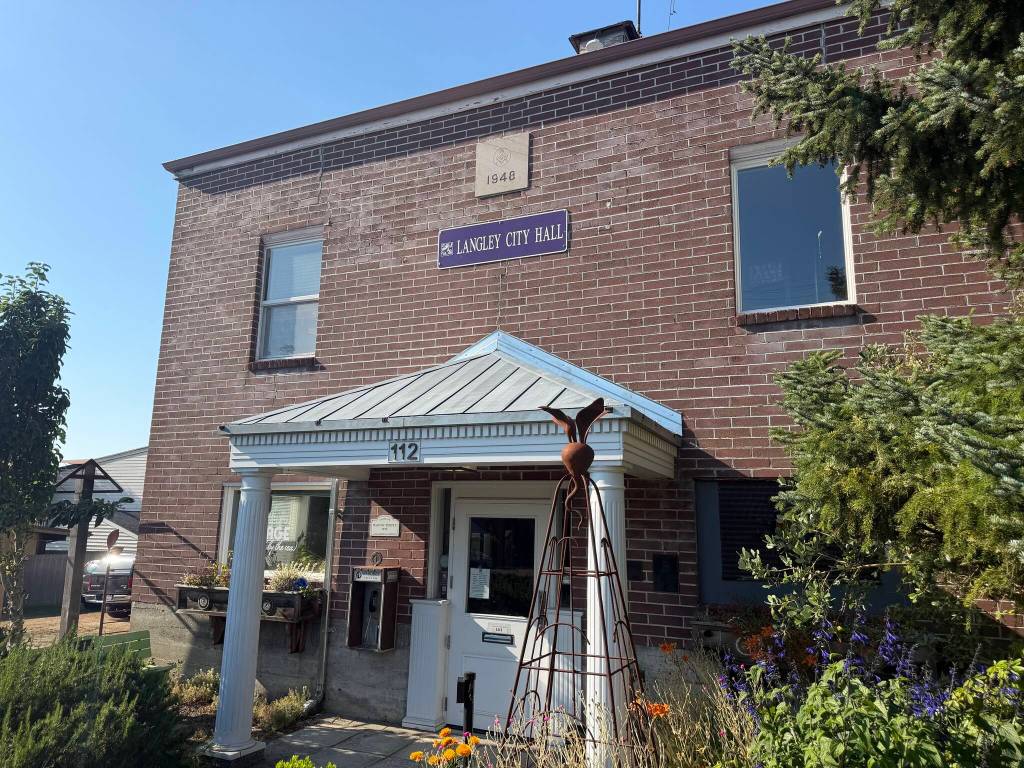
Langley officials reviewed several proposed changes to the city’s inclusionary zoning rules Monday in an effort to encourage the construction of more affordable housing.
The City Council reviewed proposed changes to the Multifamily Infill Form-Based Code Overlay and the draft Inclusionary Zoning Implementation Manual. Under the city’s inclusionary zoning program, developers must set aside a portion of new housing projects as affordable housing.
One change previously put forth by Councilmember Chris Carlson is a proposal to exempt moderate income housing from the 15% inclusionary zoning requirement. Under this plan, projects that are from the 81% to 150% of area median income, or AMI, would be considered “moderate income.”
However, Carlson expressed some concern during the meeting that the maximum AMI for the moderate exemption may be too high. He explained this could result in developers building at the 150% AMI and taking “a bit of a cut on their profit” in order to avoid having to create affordable housing,
Carlson suggested potentially lowering the maximum moderate income AMI to 140% or 130%. Councilmember Thomas Gill said they could also consider gradually increasing the required percent of affordable housing based on the AMI bracket or even adding a fourth AMI bracket.
Mayor Kennedy Horstman, however, cautioned against overcomplicating the exemption requirements.
“I think simplicity of the administration is worthy of consideration,” she said.
Another suggested change is to modify the period of affordability for a housing project from the life of the project to 40 years. Director of Community Planning Meredith Penny explained that 40 years generally lines up with how long funds from the federal Low-Income Housing Tax Credit program lasts. This would allow the city to choose whether to renew the affordability period once the funding has run out.
Gill additionally proposed that owners of affordable housing be allowed to rent their property on short-term leases. He said the rental period should be limited to 14 days per year in order to help owners “build a nest egg without taking the property out of the regular residential units of the city.”
Penny also outlined the city’s plans for the Affordable Housing Fund, which will be financed by in-lieu fees collected from developers who opt not to build affordable housing. She explained that 70% will go towards affordable housing development and preservation, 20% towards individual assistance programs designed to help people remain in their current housing or find affordable housing and the remaining 10% will be spent on program administration.
After a draft of the manual and proposed changes to the Multifamily Infill Overlay are finalized, the provisions will be open to more input from the public, City Council and Planning Advisory Board. Penny said the goal is to complete the process before the building moratorium ends in November.