Whidbey pet detectives reunite lost animals with owners
Published 1:30 am Tuesday, January 6, 2026
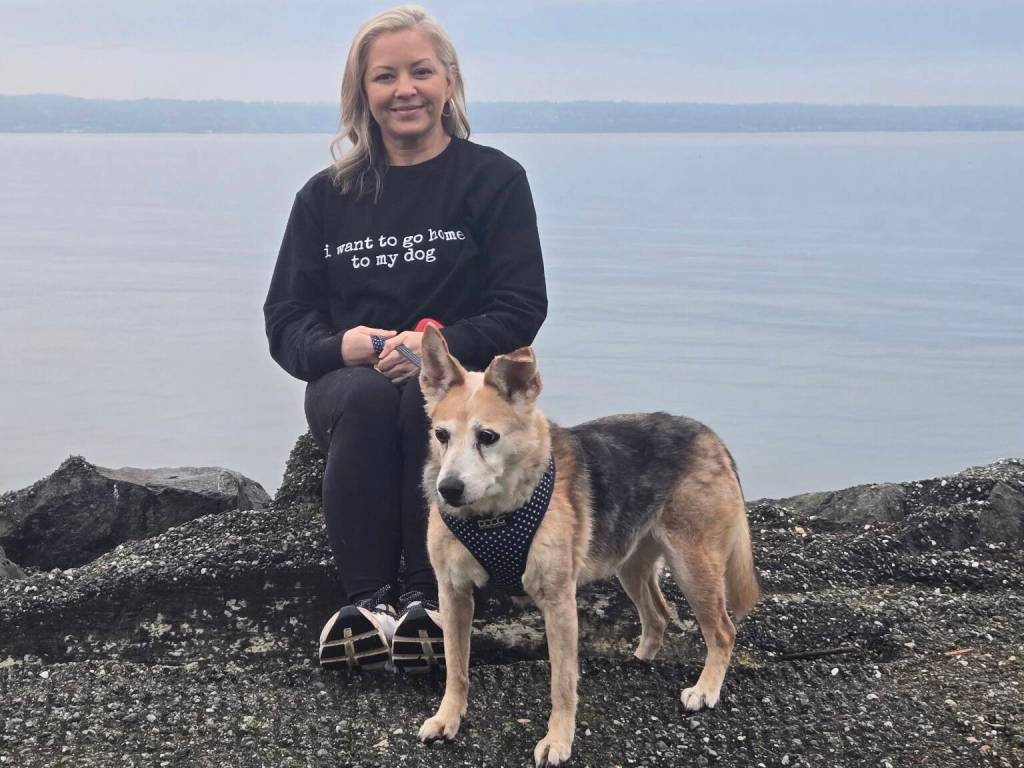
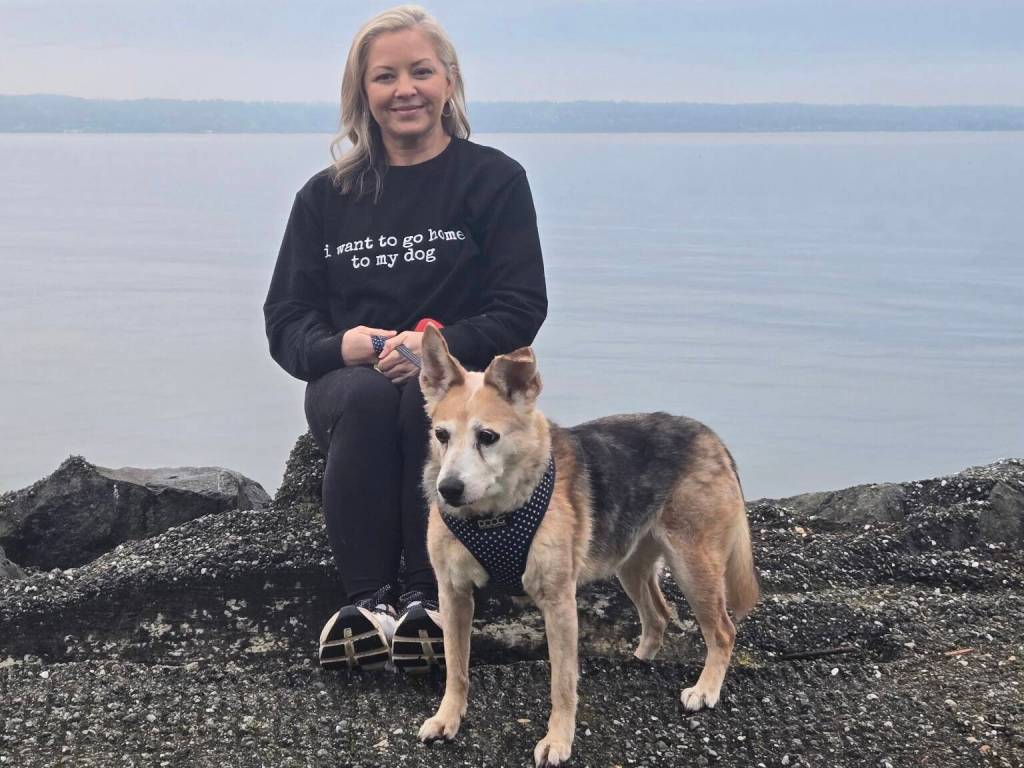
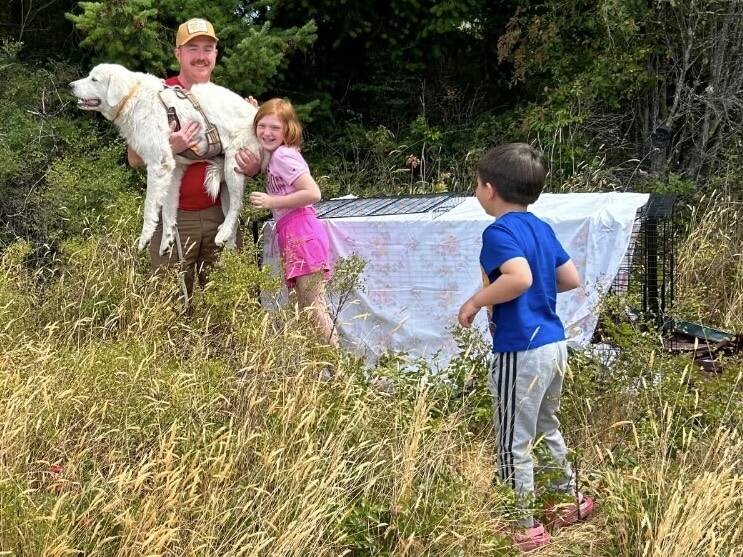


A Facebook message flashes across Sommer Bowlin’s phone and within minutes she is in her car, racing to an address to set up a feeding station stocked with kibble, Vienna sausages or rotisserie chicken.
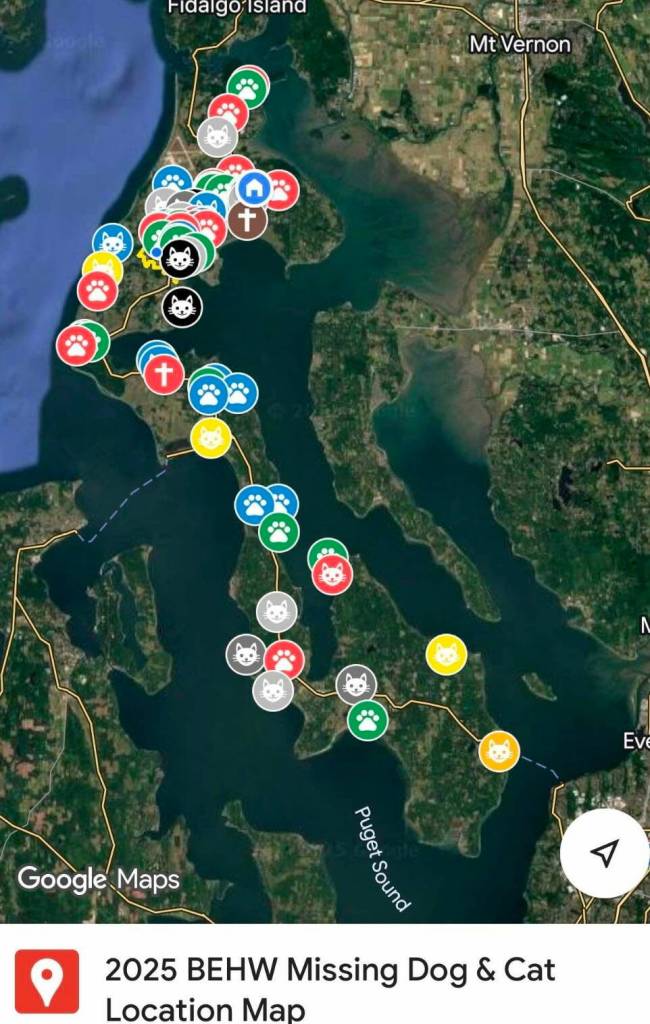
Bowlin, a Clinton resident, is the admin for Bring ‘Em Home Whidbey, a volunteer-run Facebook group that helps reunite lost cats and dogs with their owners across Whidbey Island.
Right now, Bowlin is focused on catching what she calls an “untrappable dog” that has evaded capture for months, visiting its food station nightly and breaking through the metal traps twice. Getting the dog safely indoors is the goal, especially as the holidays always bring a surge in pets getting loose, Bowlin explained.
Hundreds of animals have been reunited with their owners in 2025, thanks to the network of about 20 volunteers spread across the island who use large box traps, cat traps, trail cameras and non-heat-based drones, all funded out of pocket or through donations.
The group itself formed organically. After the pandemic pet boom, shelters have become overwhelmed with surrenders, and the group’s work aims to reduce unnecessary intake by reconnecting pets with owners whenever possible, often through microchip scans and community coordination.
Bowlin’s passion for animal recovery began years ago while working as a veterinary technician and she began searching for lost pets after a shift. She later sought formal training through the Missing Animal Response Network, learning techniques such as humane trap setting, calming methods and more.
“I have this weird knack of remembering pet names more than human names,” Bowlin said.
Though Bring ‘Em Home Whidbey is not a nonprofit, the group works closely with Island County Animal Control Officer Tammy Esparza to locate missing pets, reunite them with owners or bring them to Whidbey Animals’ Improvement Foundation or Critters & Co. Pet Center & Rescue when needed.
“We all work together in trying to find the right solution,” Bowlin said.
That level of cooperation stands out locally, she noted.
“In another community, you wouldn’t see that so much with an animal control officer or shelters; they’re not as communicative with people and the community,” Bowlin said.
With policies in place to comply with animal control regulations, volunteers contribute in many ways, from setting traps in the field to making signs or managing online posts. The work can be emotionally taxing, as volunteers often meet people on their worst days and sometimes encounter deceased pets, Bowlin said, but the successes keep them going.
“Animal people, I feel like, have the biggest hearts and feelings,” she said.
The costs add up for long captures, and while the group never charges for services, donations through Critters and Co., such as traps, cellular trail cameras, gas cards, food, used towels and bowls, are highly appreciated. Bowlin also dreams of seeing a 24/7 public microchip reading station at a police station or city hall this year, to increase reunifications. Community awareness is key, she emphasized, along with reporting lost pets through non-emergency channels so animal control can track needs.
Gratitude from pet owners, sometimes years later, reinforces the mission, even on the hardest days, Bowlin explained.
“That’s what makes it worth it,” she said.