Whidbey food banks, organizations prepare for end of SNAP
Published 1:30 am Friday, October 31, 2025
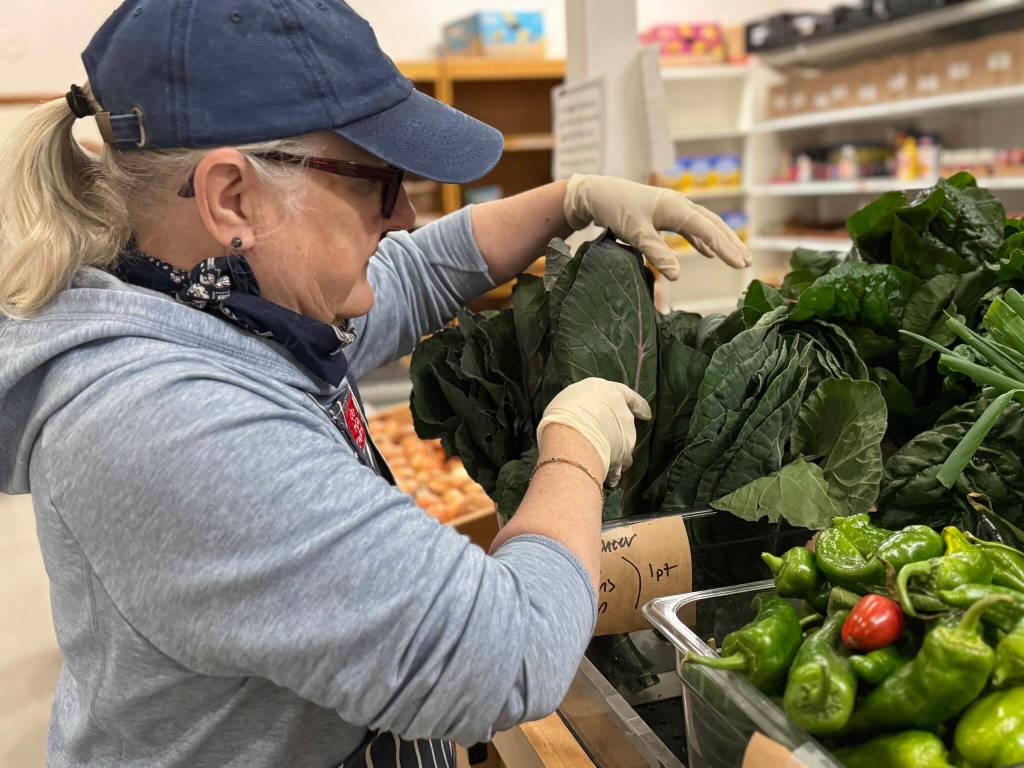
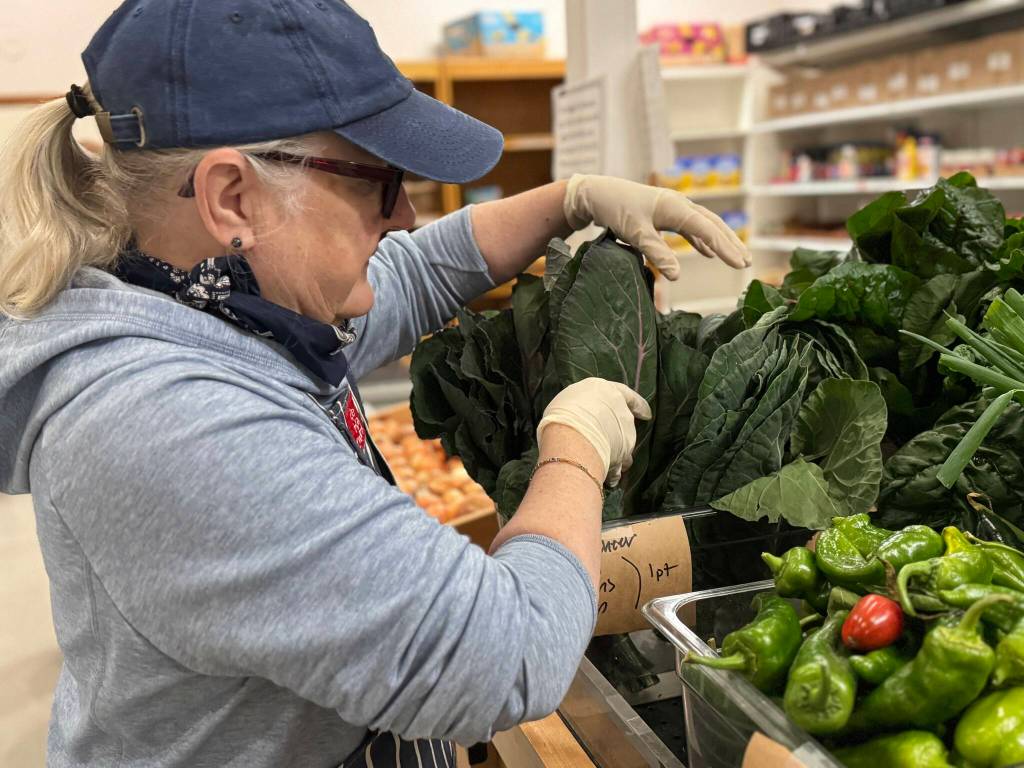


Food banks, pantries and other relief programs on Whidbey Island are bracing for an influx of new clients as Supplemental Nutrition Assistance Program, or SNAP, benefits will come to an end on Nov. 1.
According to data from the U.S. Department of Agriculture, about 900,000 people in the state of Washington rely on SNAP. As of April 2025, 6.4% of households in Island County receive SNAP benefits, as stated in a previous South Whidbey Record story about food insecurity.
The program is suffering from a lack of federal funding, as the ongoing government shutdown continues. But there is a bright spot on the horizon.
On Friday, federal judges ruled that the Trump administration must use contingency funds to keep SNAP going.
Gov. Bob Ferguson also announced this past week that he will direct the state’s Department of Social and Health Services to move nearly $2.2 million every week in funding to food banks, starting Nov. 3 and until federal dollars for SNAP are restored.
“I think we’re all thinking the same thing,” Jean Wieman, executive director for North Whidbey Help House, said. “Wouldn’t it be nice if they could come to some kind of decision?”
The food bank in Oak Harbor is averaging four new sign-ups per day, Wieman reported, and expecting more after Nov. 1. Food baskets are distributed on a monthly basis, although it used to be twice a month. Clients can come in two times a week for produce and bakery items. Wieman estimated that the food bank sees about 80 to 100 people a day for these supplemental foods.
At the same time, donations are coming in “like crazy,” Wieman said, which is a sign that the community wants to take care of its own. Help House usually publishes a monthly wish list for particular items, but with so much up in the air for the month of November, the organization is simply asking for money and whatever food people can afford to donate at this time.
Aloha Hart, secretary of the board for Gifts from the Heart, said the Coupeville food bank is also anticipating more people using its services as the SNAP deadline looms.
Things seem to be ramping up this fall, with 10 new families signing up in September, though she acknowledged that the centrally located food bank likely serves a smaller population than Oak Harbor or South Whidbey. Twice a month, clients “shop” for boxes of food to take home.
In addition, Gifts from the Heart’s “Meals2Kids” program provides weekend meals for kids in the Coupeville School District. Hart said she expects to get more sign-ups for this program soon, which currently serves about 48 students every week.
Donations of non-perishable items help the food bank focus on purchasing more expensive options, such as protein and produce. Donation bins are located in the lobby of Heritage Bank on Main Street, in Prairie Center Market, the entrance to Coupeville United Methodist Church and in the Coupeville Post Office.
Down on the South End, Good Cheer Food Bank serves an estimated 18% of Whidbey’s population through its food pantry every year, according to Engagement Officer Indie O’Sidhe. Clients earn points every month based on household size and ages that they can use at the Bayview location.
“The end of SNAP emergency funding on Nov. 1 will hit our community hard, coming at a time when Good Cheer is already entering our busiest season,” Executive Director Karen Korbelik said. “We served over 1,400 people in September alone, and we are braced for a near 40% increase in demand with the cessation of SNAP benefits.”
O’Sidhe said donations have decreased compared to last year, a reflection of broader economic pressures and the rising cost of living that many in the community are experiencing.
Good Cheer Food Bank is looking for any form of support, whether it’s grants to help fill the gaps made by funding cuts, volunteers or people sharing the food bank’s social media and newsletters with their friends and families.
And besides food banks, other organizations providing food to low-income individuals and families are preparing for the end of SNAP.
Whidbey Island Nourishes, a nonprofit organization that operates similarly to the Coupeville food bank’s Meals2Kids program but for South Whidbey students, had the biggest spike in enrollment this past week that Executive Director Marie Shimada has seen since last spring. This means 91 households that have a total combined 199 children are signed up for the weekend meal program.
Without a doubt, Shimada said, WIN expects to see more sign-ups over the next month. The organization has been preparing for this potential increase and is ready to expand services to local youth who need supplemental weekend food.
In addition, Shimada believes that as the client load increases, the pool of donors will also increase.
Queen-Bee Pantry, located in Greenbank, served 146 people in the month of September and 189 as of Oct. 30. Founder Tanya Hernandez-Garzon, who runs the pantry out of her own home, said close to 60% or 70% of people who come by also use SNAP. Clients usually come at least once a week and take what they need.
“We are asking people in the community to go through their pantries and see if they have stuff that they’re not going to use that they could donate to us,” she said.
The grassroots organization has upcoming food drives at noon to 2 p.m. on Nov. 2 at the Greenbank Farm and 10 a.m. to 4 p.m. on Nov. 8 at the Oak Harbor Walmart.
Hernandez-Garzon also plans to extend the pantry’s hours by appointment for those who might be working during its normal hours of operation, so no one has to choose between a paycheck and food.
Island Senior Resources, the largest organization in Island County serving seniors and adults ages 18 and up with disabilities, is preparing for an increase of people at the five locations where congregate meals are served. Though attendees pay by donation to eat, it is low cost and no one truly hungry will be turned away, Executive Director Nic Wildeman said.
Wildeman is also conscious of the fact that for people who either don’t have a kitchen or access to one, such as someone living in their car, there is only so much food banks can do to help them. Island Senior Resources’ nutrition programs may be able to fill that gap. Besides congregate meals, the organization also provides Meals on Wheels.
“Best possible scenario here is that the government shutdown comes to an end and SNAP money starts to get distributed again,” Wildeman said, “and we can all pack this up to a great learning experience and hope we never have to think about these things again.”