
Sponsored Content
A pediatrician’s back-to-school checklist for local families
Published 8:28 pm Sunday, August 2, 2026
From medication forms to bedtime routines, a few weeks of planning makes for a smoother transition this September.
As we settle into the dog days of summer, it’s easy to ignore the back-to-school to-do list and set it aside until closer to the big day, but unfortunately supply lists will be appearing in inboxes sooner than we’d like.
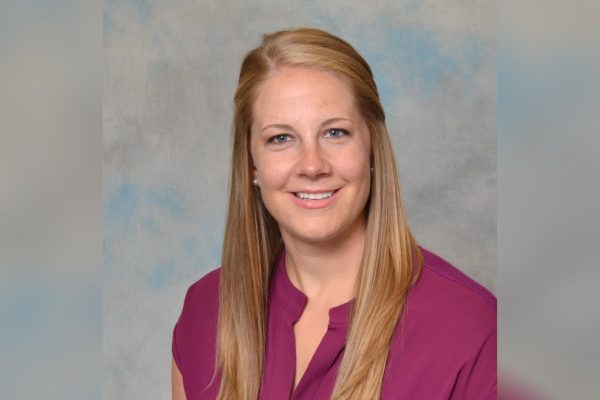
Dr. Jennifer Wild, a pediatrician with Providence Swedish suggests moving medical paperwork to the top of the list.
“Forms for medical conditions like asthma or ADHD should ideally reach our clinics four to six weeks ahead of the first day of school,” Wild says. “Our staff can process them at any time but we of course see a steep rise in requests in the final weeks of summer.”
Wild says the same timeline applies to sports. Pre-participation physical exams are best booked four to six weeks ahead of the athletic season, leaving room for any follow-up without keeping a student on the sidelines.
“The American Academy of Pediatrics recommends nine to 12 hours of sleep for children ages 6 to 12 and eight to 10 hours for teens.”
Annual well-child visits deserve a spot on the list too and they don’t need to line up neatly with a birthday or the school calendar. Alongside growth, vision and hearing, these appointments open the door to conversations about development, focus, attention and how school is actually going.
“Well-child visits are about far more than height and weight,” Wild says. “It’s a chance to talk about how a child is doing socially and emotionally, and to make sure any support they need at school is in place.”
Sleep is often the toughest adjustment, particularly for teenagers moving from relaxed summer hours to early start times.
The American Academy of Pediatrics recommends nine to 12 hours of sleep for children ages 6 to 12 and eight to 10 hours for teens. Wild suggests easing into a consistent bedtime and wake-up time now, and shutting off screens at least an hour before bed.
Illness tends to dip over summer and pick back up in late September. Staying current on vaccinations helps, as does regular hand washing, especially before eating.
“As we like to say ‘Flu before Boo,’ getting that flu vaccine before Halloween can help kids stay ahead of seasonal illnesses,” Wild says. “It’s also worth double-checking the rest of your child’s vaccines at the same time and making sure they’re all up to date.”
Vaccine checkpoints by age
- Kindergarten entry: DTaP, hepatitis B, MMR, polio and varicella
- Grade 7 and up: a Tdap booster at age 10 or older
- Recommended but not required for school: HPV starting at age 9, meningococcal around age 11 and an annual flu vaccine
Explore all Providence Swedish clinics and care centers online here and learn more about services offered at Providence Regional Medical Center Everett at providence.org/locations/wa/providence-regional-medical-center-everett.
Find Providence Swedish on Facebook @ProvidenceSwedishNorth