A pet is a friend, so how do we mourn one?
Published 5:00 pm Saturday, May 10, 2003
Love can walk in on four legs as easily as two.
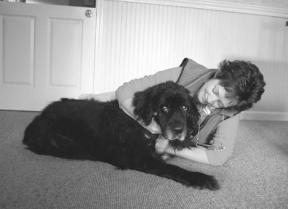
That’s how Langley resident, Vicki Payne feels about her three dogs. The dogs function as part of her family and, as such, she cannot imagine how she will feel when they die someday.
“They are part of our family, we love them,” Payne said.
The eldest of the three dogs is an 11-year-old Newfoundland named Greta. Payne said she knows “the gentle giant” is nearing the end of her life. It is something she does not want to think about, but she cannot avoid it either.
“We dread losing her, she’s an important member of our family.”
Payne, like other owners of aging pets, may soon be faced with the question of whether to euthanize her dog if Greta gets to a point at which she is in too much pain to enjoy life.
“I know if Greta becomes too ill and in pain, I may have to make the decision to have her euthanized by a veterinarian,” she said. “That will be difficult.”
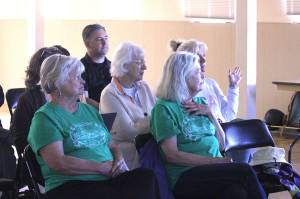
For people like Payne, facing the death of a beloved pet or the impending loss of one due to illness or old age, a new support group — the Whidbey Island Pet Bereavement Support Group — can help. Formed this month on South Whidbey, the group offers people a forum in which to share their grief about the deaths of their pets with the support of grief counselors.
Linda Riley, a therapist from Whidbey Island Counseling Associates and counselor Kate Stivers have volunteered their time to assist the group. Both are experienced grief counselors and are particularly interested in helping pet owners deal with deaths that typically bring little sympathy from friends and family.
“Society does not offer any healing rituals for the loss of a pet,” Riley said.
Though children might get used to the occasional ritual of flushing a dead goldfish, many adults lose much more than an animal when a pet dies. Riley said the death of a pet can be particularly difficult for senior citizens. They may be alone in the world except for a dog or cat, animals who are often 24-hour-a-day companions.
Riley said pets give people unconditional love, something that is not always available from other people. The death of an animal often will get people in touch with other past losses, she said.
Organizers of the group share a common interest in pets and their owners. The goal with any group member is to work through the death of a pet and come out the other side a whole person.
“The purpose of the group is to help people get closure when they have lost a pet,” said Pat Buchanan, co-organizer of FETCH!, a group that promotes off-leash dog parks.
Buchanan, along with pet business Laurie’s Warm Fuzzies and Jacqueline Sowell — a specialist in interspecies communication — developed the idea for the group.
Buchanan said the trio share a concern over the gap in support services for people with aging and dying pets.
“Anyone who has loved a pet understands the grief of losing an animal,” Buchanan said.
Too often, she said, people say, “It’s only a dog, or a cat, get another one.” In her mind, that is a destructive attitude.
“Family and friends may not show sympathy to someone who openly mourns the loss of an animal that had special meaning to someone.”
Buchanan said the group will also assist pet owners with practical matters, such as finding veterinarians to make house calls when necessary. Members of the group will also have answers to questions about burying or cremating pets.
WIPBSN is an affiliate support network working with FETCH!, or Free Exercise Time for Canines and their Humans.