Warrior Games restore what injury took away
Published 1:30 am Tuesday, June 23, 2026
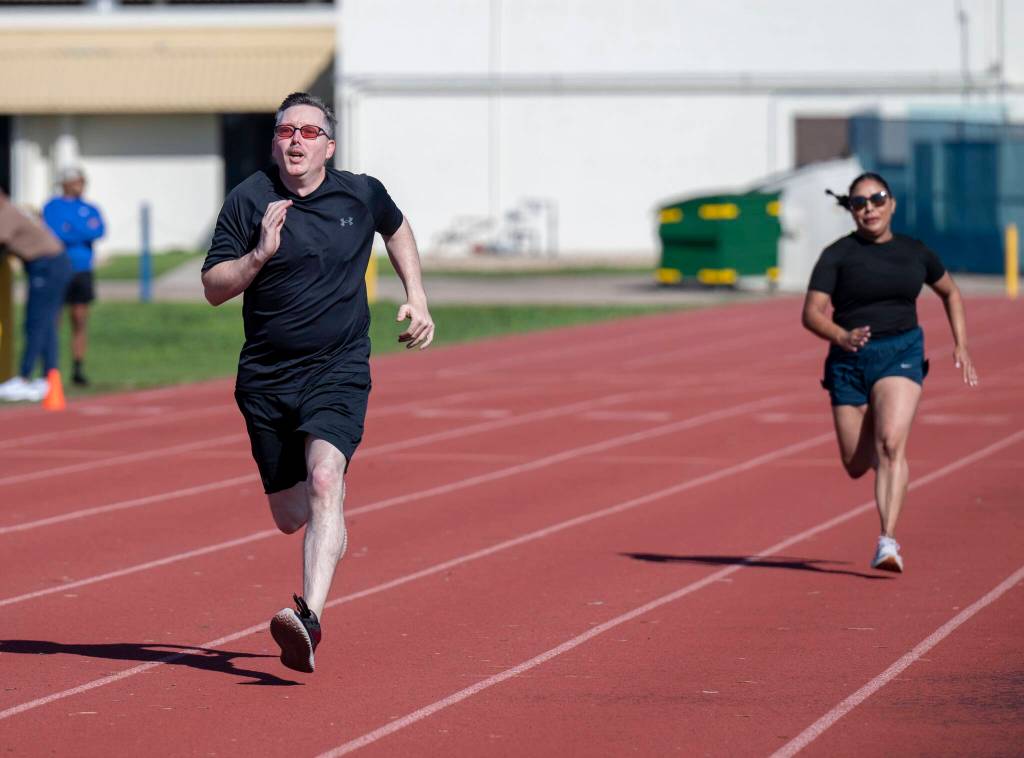
Adaptive sports helped an Oak Harbor resident find himself again after sustaining an injury during his military service.
“The injury doesn’t define me,” James Shoemaker said. “I define who I am.”
Shoemaker, along with more than 200 other wounded and ill service members and veterans from other branches of the military, competed in the 16th annual Warrior Games from June 13-20 in San Antonio. Twelve sports are offered in the games, and Shoemaker participated in archery, track, swimming and sitting volleyball.
When Shoemaker spoke to the News-Times on Friday, he had yet to compete in sitting volleyball and swimming. According to the Warrior Games’ website, Shoemaker did not place in any of his individual events. But, he said his goal was simply to finish in his events, so he already considered his first Warrior Games a success.
“I met a lot of good people, a lot of people I now call close friends and family, and it’s been absolutely amazing,” he said. “I’ve been blown away.”
Shoemaker enlisted in the Navy in 2005 and retired in April. He worked as an aircrew survival equipmentman, responsible for maintaining the functionality of the safety equipment used by aircrew like parachutes and life preservers. A lifelong athlete, Shoemaker grew up playing baseball and basketball and continued to play sports as part of his commands, too.
But after sustaining an injury that causes his nerves to constantly emit pain signals, playing sports became tough.
Shoemaker’s enrollment in Navy Wounded Warrior, a program providing non-medical care to wounded, ill and injured sailors and coast guardsmen in their recovery, made him eligible to compete in the Warrior Games.
His recovery care coordinator, or RCC, encouraged him to try out for the Navy team, but Shoemaker felt hesitant. He was unsure how his body would respond to the increase in activity.
“I hadn’t ran. I hadn’t done a lot of exercise. I hadn’t really been out,” Shoemaker recalled. “I didn’t really know how I’d hold up and I didn’t want to go embarrass myself.”
Eventually he agreed. He tried out for the team in San Diego earlier this year and made the cut despite not training at all beforehand. Learning how to play adaptive sports proved to be a bit of a challenge, but his coaches and fellow athletes were supportive.
Shoemaker found the experience motivating.
“Nobody looks down on you. Nobody is pushing you too much beyond your limits, but you want to push beyond your limits because you want to see how far you can truly go,” he said. “So you keep setting that bar a little higher each and every day.”
Ultimately, the experience was incredibly rewarding for Shoemaker. When he returned from trials, he gave his RCC a “big old hug.”
“It really helped me to find my athletic self again, something that I was missing after I got injured,” Shoemaker said.