All hands on deck: Whidbey’s boat builders start recruitment drive
Published 1:30 am Friday, December 12, 2025
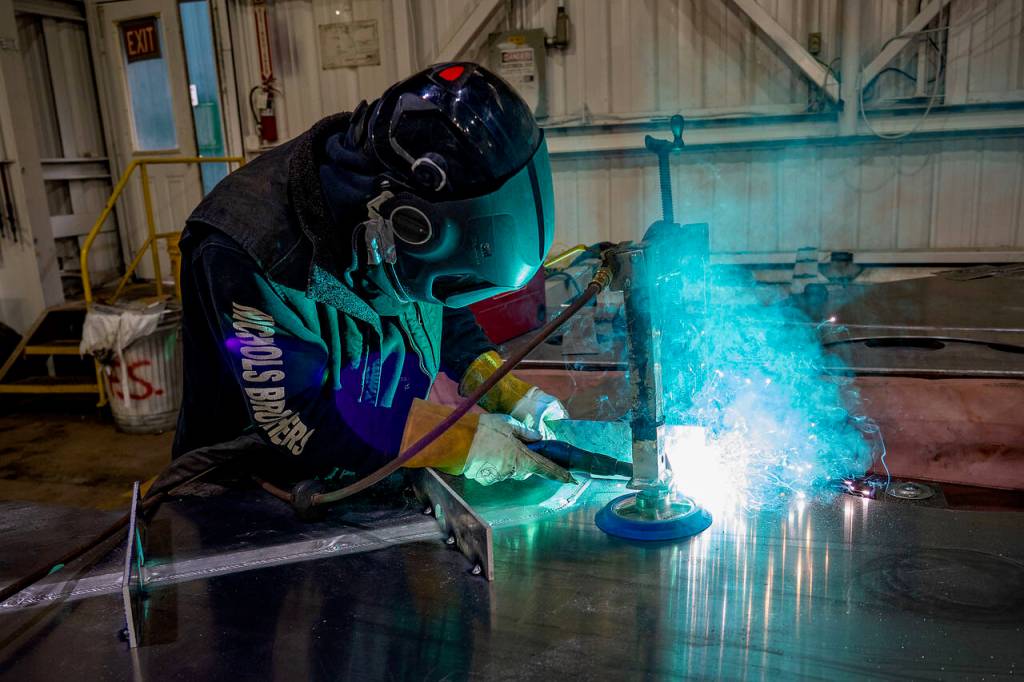
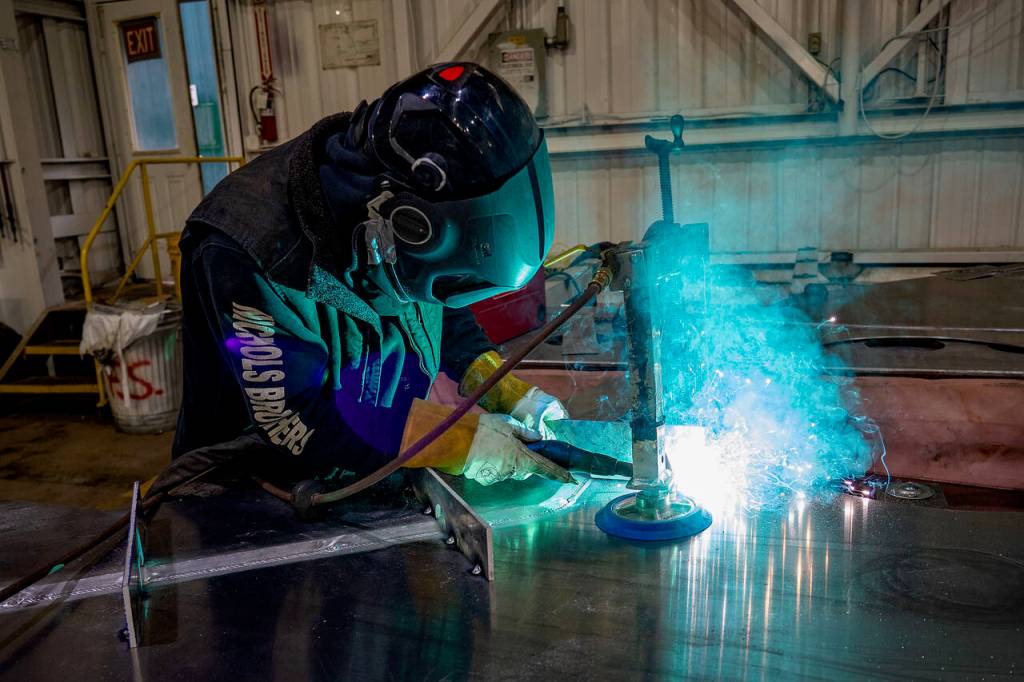
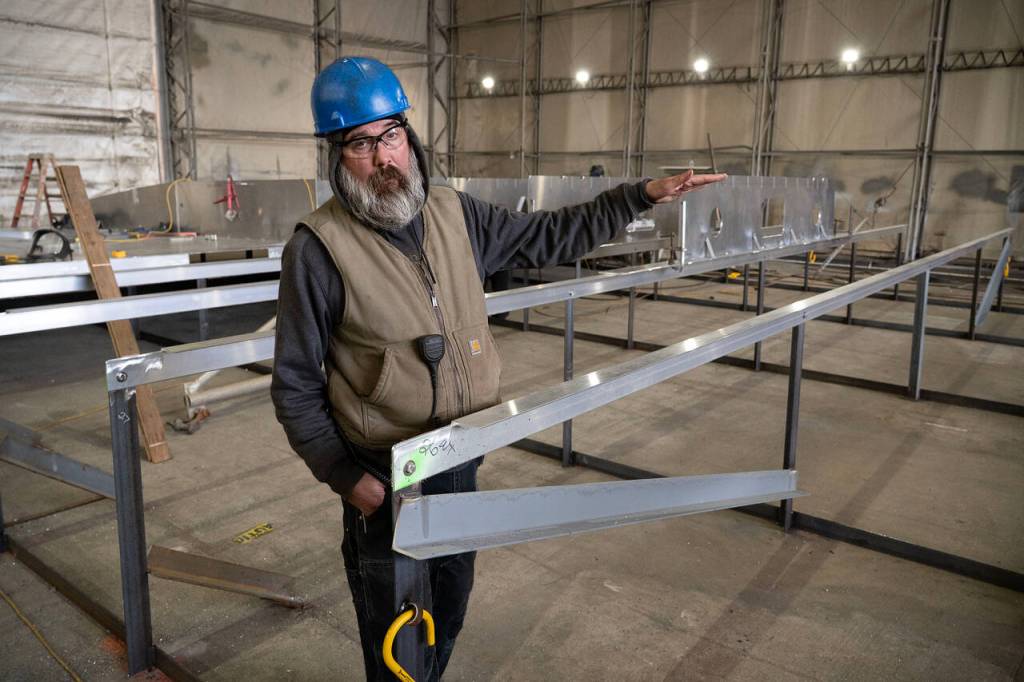
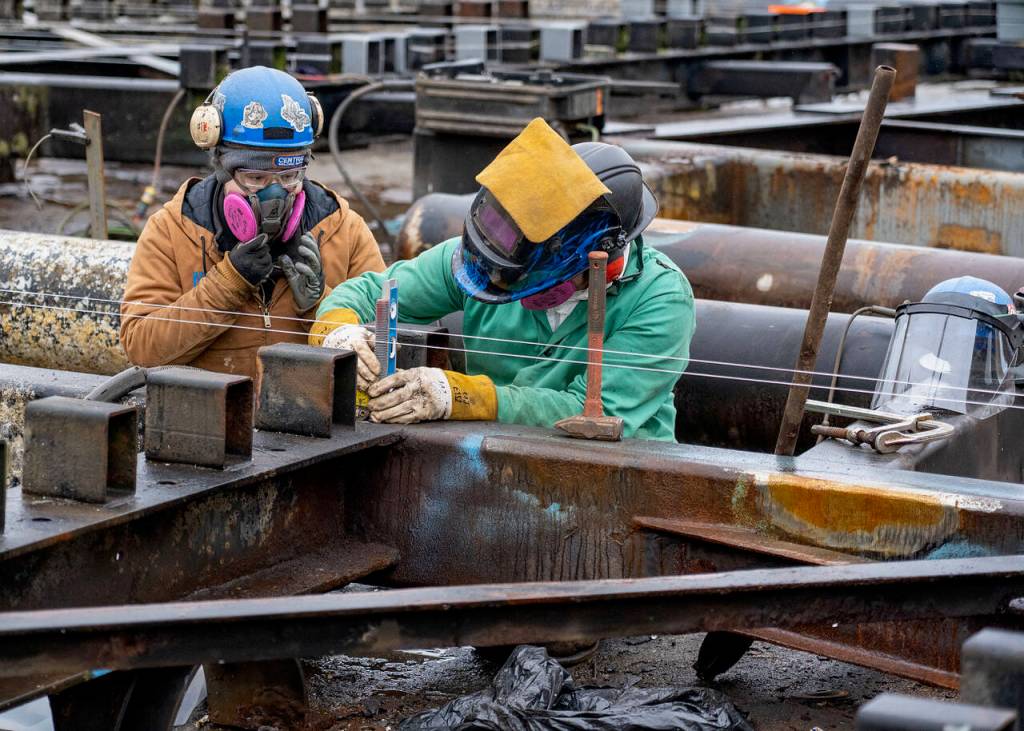
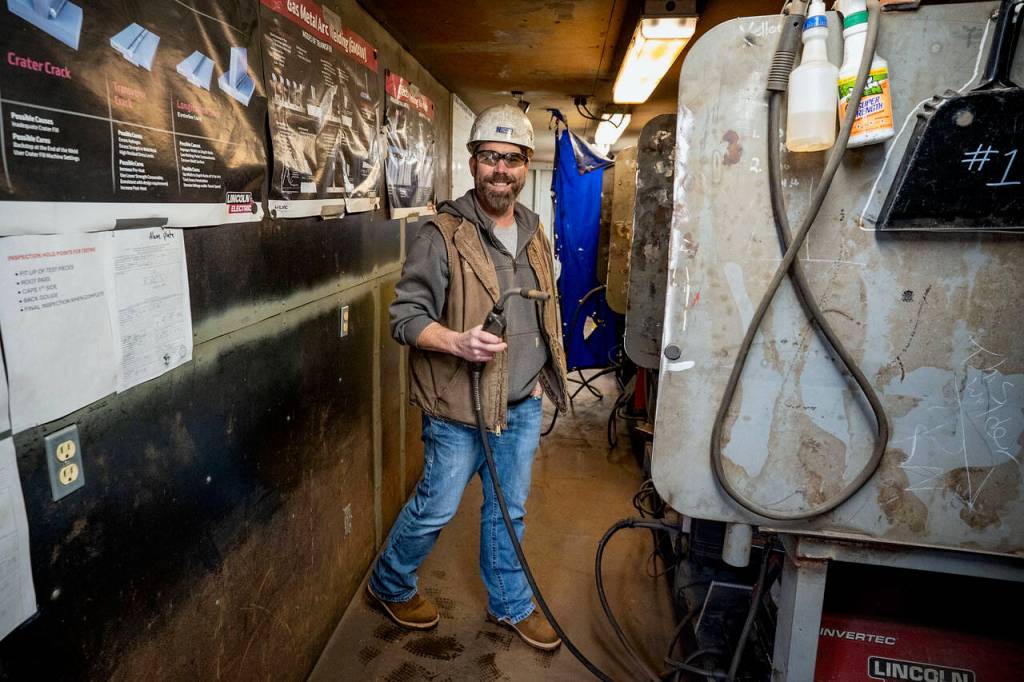
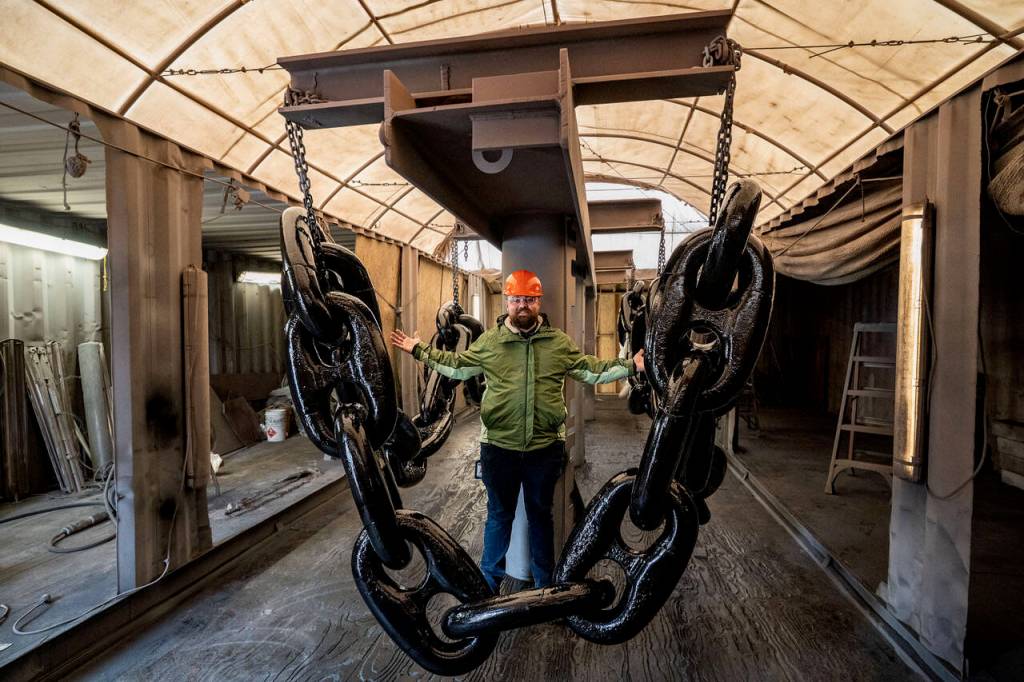
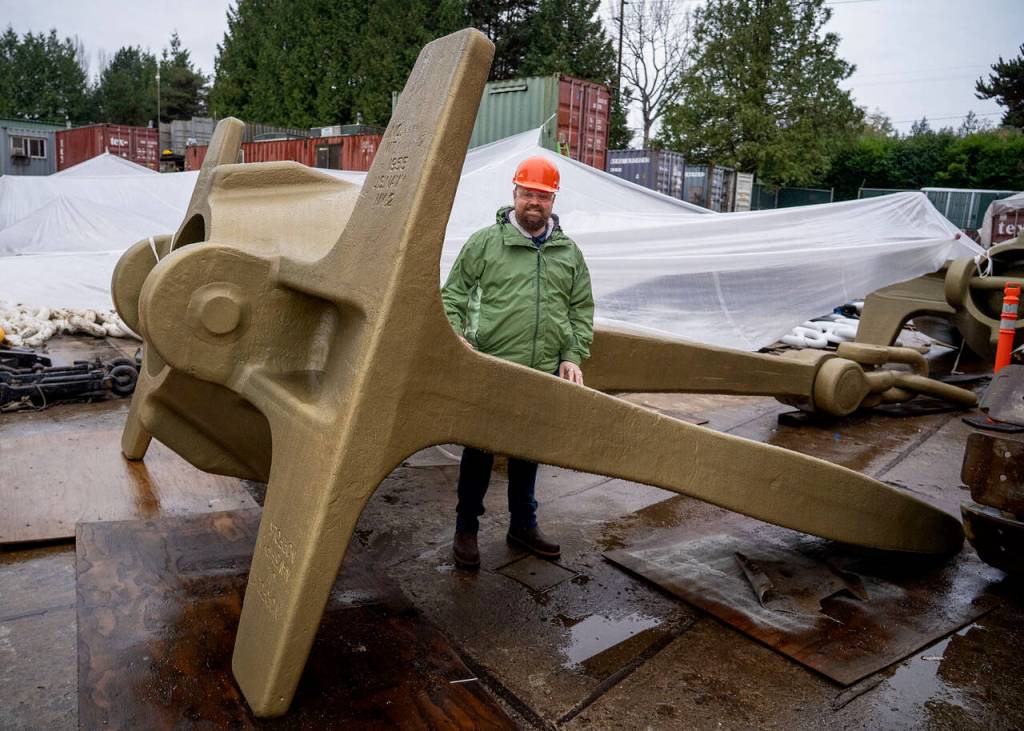




On a recent Wednesday morning, Nichols Brothers Boat Builders shipyard came alive with the sounds of grinding, hammering and clanging. The unmistakable hissing and popping of a welder’s torch, the smell of freshly painted giant links on an anchor chain and the family-like atmosphere of co-workers all add to the experience of a busy boatyard in action.
The Freeland shipyard is forging on with new projects and preparing for major expansion in the workforce, despite a disappointing setback earlier this year.
The Whidbey-based company is moving full steam ahead with plans to double its production staff by mid-2026. Nichols Brothers currently has about 150 employees, 100 of whom work on the production of boats. Longtime employees – some of whom have worked at Nichols Brothers for over 40 years – are looking forward to retirement but want to pass their knowledge and expertise onto a good batch of workers, Senior Recruiter Dane Douglas said.
In all, between Nichols Brothers and Everett Ship Repair, the sister company with a shipyard on the mainland, the goal is to add 200 to 300 more workers. Recruiters are currently visiting career fairs and high schools to pique the younger generation’s interest.
In an increasingly technology-dominated world, people searching for a career in the trades can get experience and a job at Nichols Brothers. The two shipyards are seeking apprentices, who can begin as young as age 18 and work their way up to become journeymen.
Apprentice Training Coordinator Richard Tullis said four steps must be completed before becoming a journeyman and there is a minimum requirement of 6,000 hours, a process that usually takes between three and a half to four years. It typically takes less time for people coming in with some experience from elsewhere.
New apprentices can earn a wage starting at around $22 an hour, while pay for first level journeymen starts at about $34 an hour. Positions beyond that earn even more.
A common misconception persists that all employees do is mostly welding, but that isn’t the case. Painters might want to become electricians, and vice versa. General Manager Nick Zustiak has worked in every department in the shipyard throughout the years.
“If you don’t want to be bored, it’s definitely the place to work,” he said.
Employees involved in recruiting acknowledged that South Whidbey’s housing shortage and the long commute can be a hard sell, but as one of the largest private employers on the island, Nichols Brothers doesn’t face the same challenges that Everett Ship Repair does on the mainland with more competitors like Boeing.
Gov. Bob Ferguson’s decision in awarding a $700 million contract for three hybrid-electric ferry boats to a Florida-based shipyard, rather than the state’s own Nichols Brothers, made waves in the boatbuilding community.
Nichols Brothers CEO Gavin Higgins had some choice words to say about the loss of the major contract, which would have provided jobs for hundreds of skilled welders, electricians, pipefitters, painters and many other tradespeople within the state of Washington. In addition, the local shipyard faced state requirements for prevailing wage, an apprentice program, small and veteran-owned businesses and stricter environmental standards than the Florida company that came in with a 30% lower bid.
Douglas said it was especially hurtful because he feels Nichols Brothers has “really solid” and external branding when it comes to community engagement. The company is a second chance employer, meaning recruiters go to correctional facilities and speak to people who are looking to rebuild their lives.
“You can talk money and revenue and what that would do for the state, but that’s also just a lot of good paying jobs for people that need jobs,” Douglas said.
The project is also delayed, which comes as no surprise to those at Nichols Brothers. Eastern Shipbuilding Group, the Florida company chosen for the contract, asked for an additional year to complete the vessels, which means the first ferry won’t hit the water until 2030.
However, Nichols Brothers is keeping busy with several other projects. Construction in the Freeland boatyard recently began on two fully electric aluminium passenger-only ferries for the San Francisco Bay Area Water Emergency Transportation Authority. Two passenger-only ferries, belonging to Kitsap Transit, were in for repairs last week, one of which was originally built by Nichols Brothers.
“It’s a small industry,” Zustiak said of boatbuilding. “If I go to California to do a ship check or work on a boat, I’ll run into somebody I haven’t seen in 10 years.”
The company is hoping to secure additional contracts to build the second fully autonomous Navy vessel. Christened earlier this year, the USX-1 Defiant was built within 14 months by Nichols Brothers and Serco, a multinational defense contractor based in the United Kingdom and the prime contractor and designer of the vessel.
Other projects include the impending launch of a newly built tugboat for the Port of Portland, Everett Ship Repair’s recent acquisition of the largest drydock in Puget Sound and the purchase of a retired state ferry that has been repurposed as a floating office in Everett.
An earlier version of this story stated that the governor awarded a $7 million contract to build the new hybric-electric ferries. It has since been updated with the correct info.