Larsen tours low-income housing in Oak Harbor
Published 1:30 am Tuesday, February 10, 2026
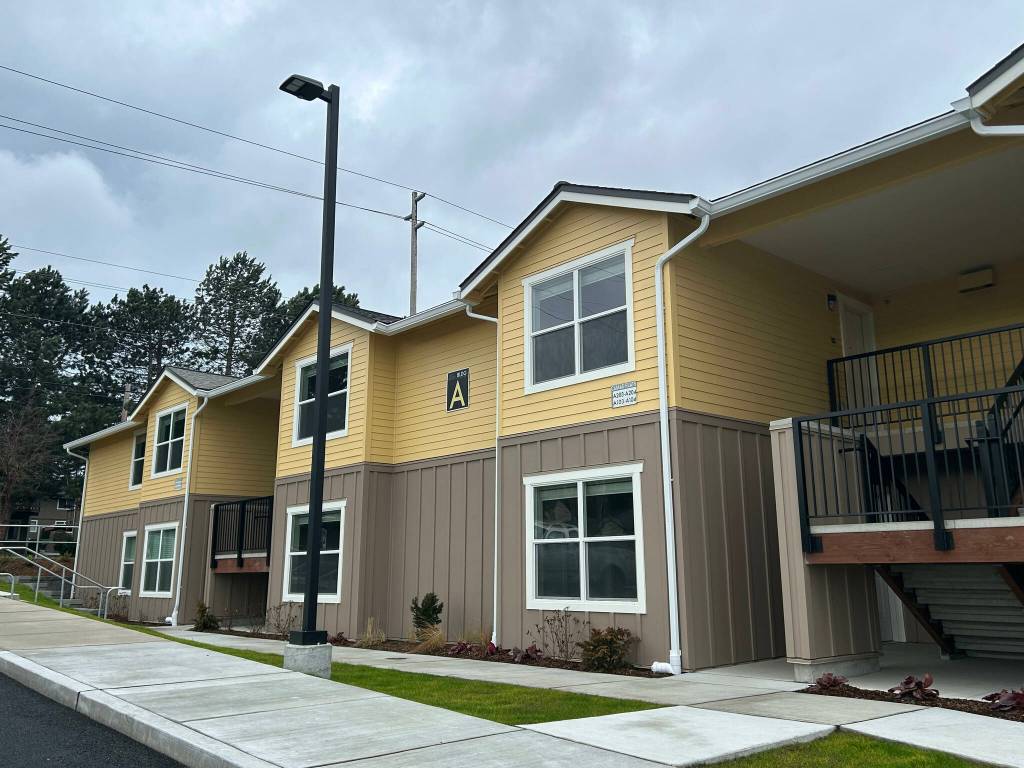
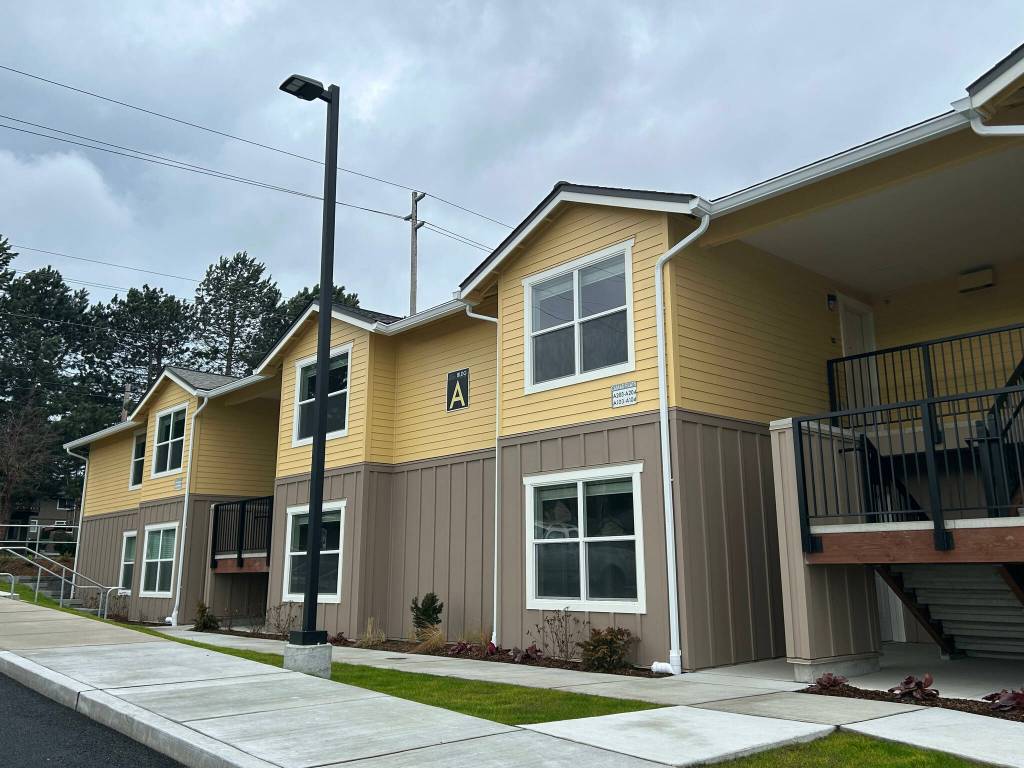
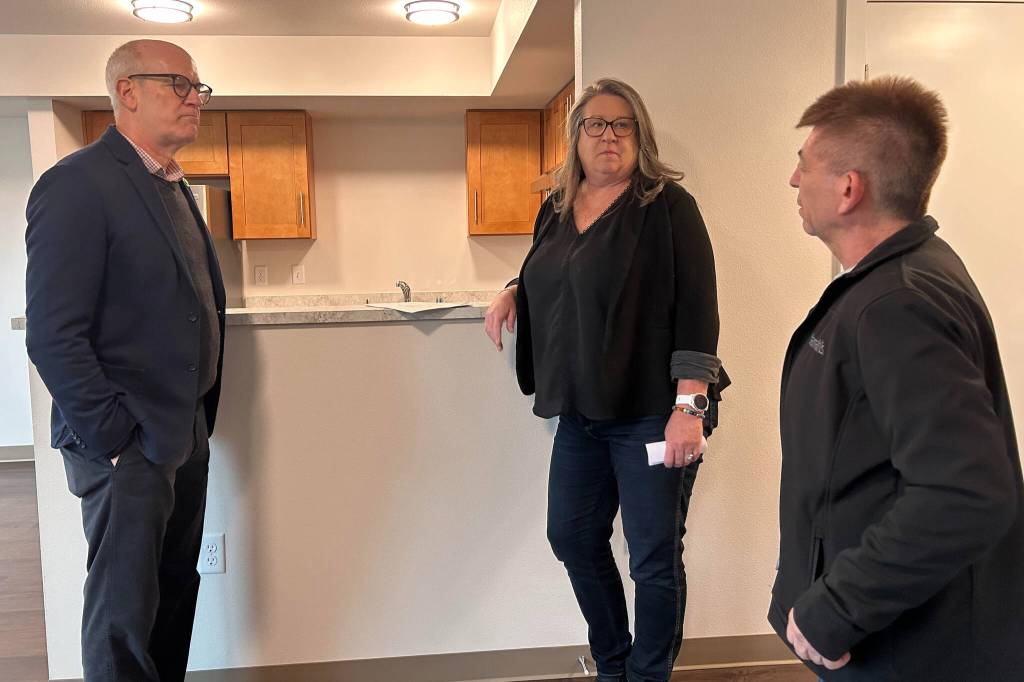
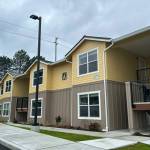
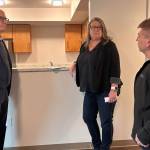
On Saturday, U.S. Rep. Rick Larsen toured the Camas Flats apartments, a new development supplying Oak Harbor with at least 80 affordable housing units.
Rent and income-restricted one-, two- and three-bedroom units are available at Camas Flats to households with qualifying incomes, specifically 50%, 60% or 80% of the area median income. The development helps to satisfy a need for affordable housing state-wide.
About 15 people have already moved in, and Blue Ridge Cascade, the developer, aims for the community to be fully leased by the end of April.
There is a “severe deficit of affordable housing” in the state, according to the Municipal Research and Services Center of Washington. Housing prices are on the rise and the volume of new housing developments is limited, it details, partly because of “rising construction costs, income inequality and restrictive zoning codes.”
Housing is affordable when monthly costs — including utilities — do not exceed 30% of the occupants’ monthly income.
“Nearly half of all renter households” in the state are paying more than that, according to a 2024 report by the University of Washington. A “growing population,” the report adds, is placing “additional demands on a supply of housing that is already stretched thin.”
All Camas Flats units generally share the same layout and were designed with the state Department of Commerce’s standards for safe, durable and environmentally sustainable affordable housing in mind.
Several units are reserved as permanent supportive housing for those transitioning out of homelessness. Several are designed to be accessible for those with disabilities. And, several are held for those with housing choice vouchers. Vouchers lower rent for low-income families by covering some of the cost with a subsidy paid to the landlord.
Reduced costs for the Camas Flats’ least expensive rentals are offset by the income from the more expensive ones, Cailey Bolander of Ad-West Realty Services explained.
Island County contributed $3.9 million in ARPA funds and another $1.1 million from document recording fees for the $31 million project, according to a previous News-Times story. Jeremy Wilkening of Blue Ridge said low-income housing tax credit equity, as well as the state Department of Commerce’s Apple Health and Home initiative and housing trust fund, also helped finance the development.
Acquiring those funds took a couple years, Wilkening added, and construction took about 16 months.
Groundbreaking on another, 96-unit affordable housing development on Swantown Road, called the Mulberry Village, is set for early next year.
“To build affordable housing, it takes way longer than any kind of other, you know, market rate housing,” Wilkening said. “And so the joy comes at the end, when we do see residents moving in, especially for families (and) people coming out of homelessness, getting a permanent place.”