Prairie Days offers rare look at threatened ecosystem
Published 1:30 am Tuesday, April 28, 2026
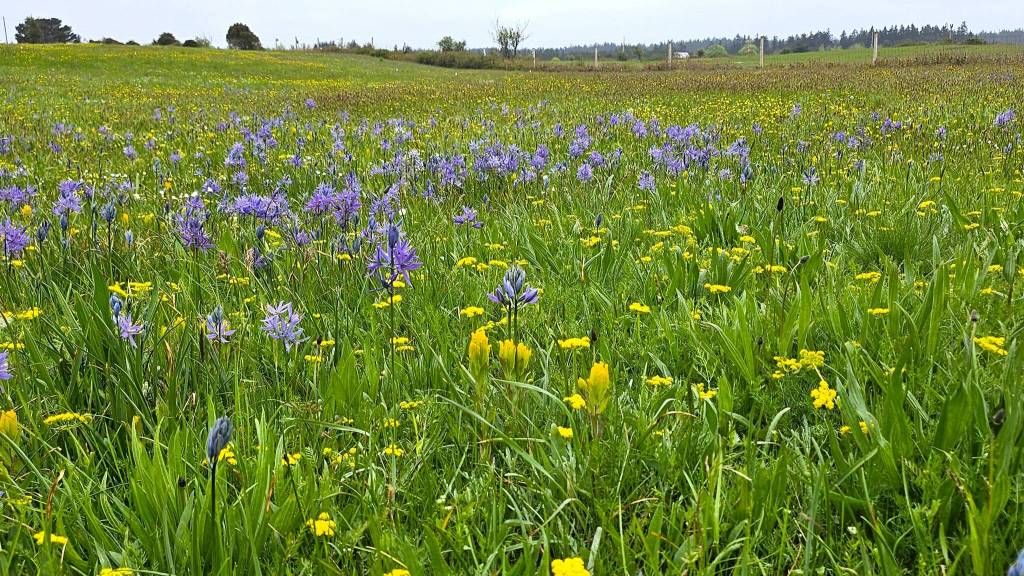
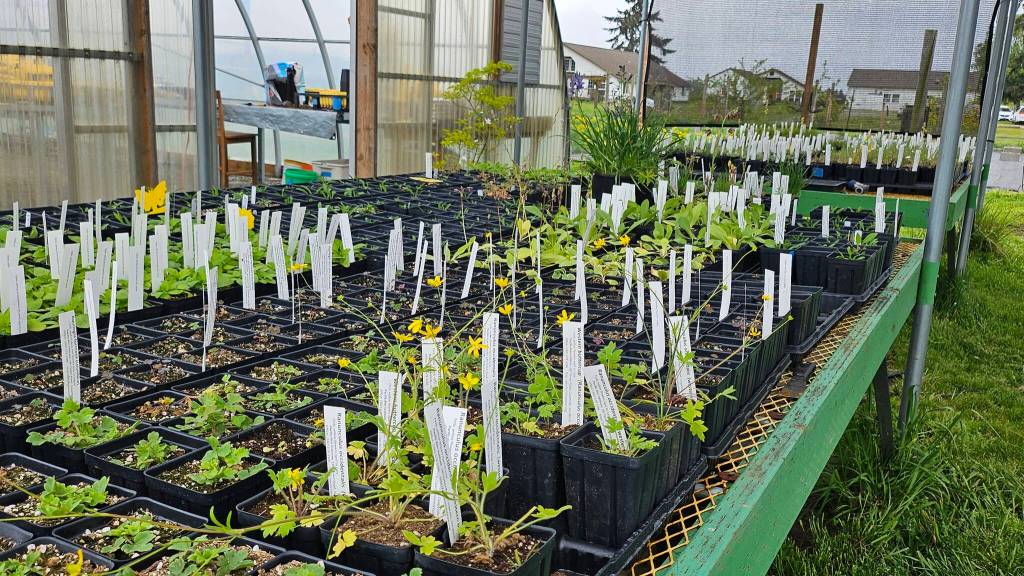
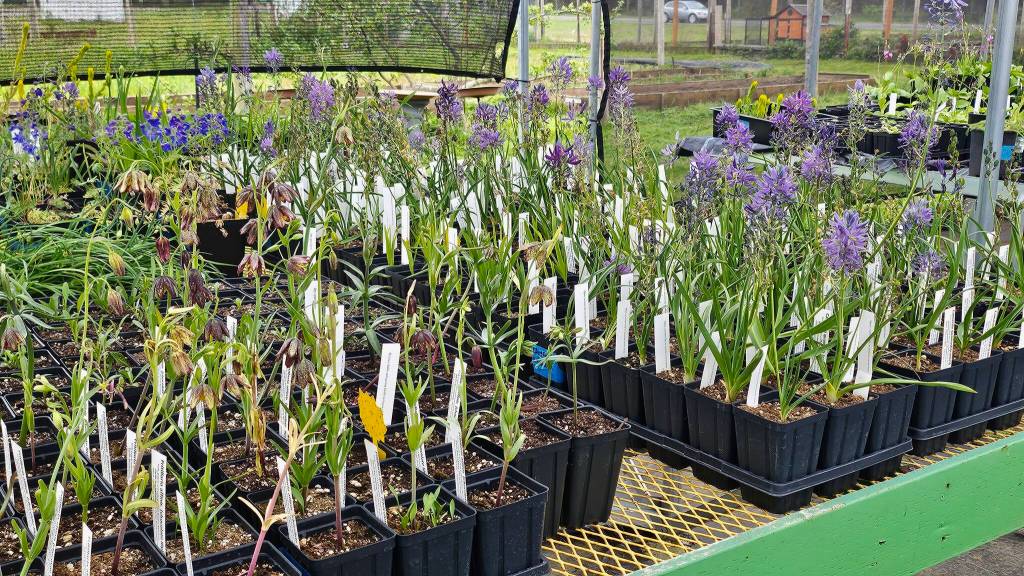
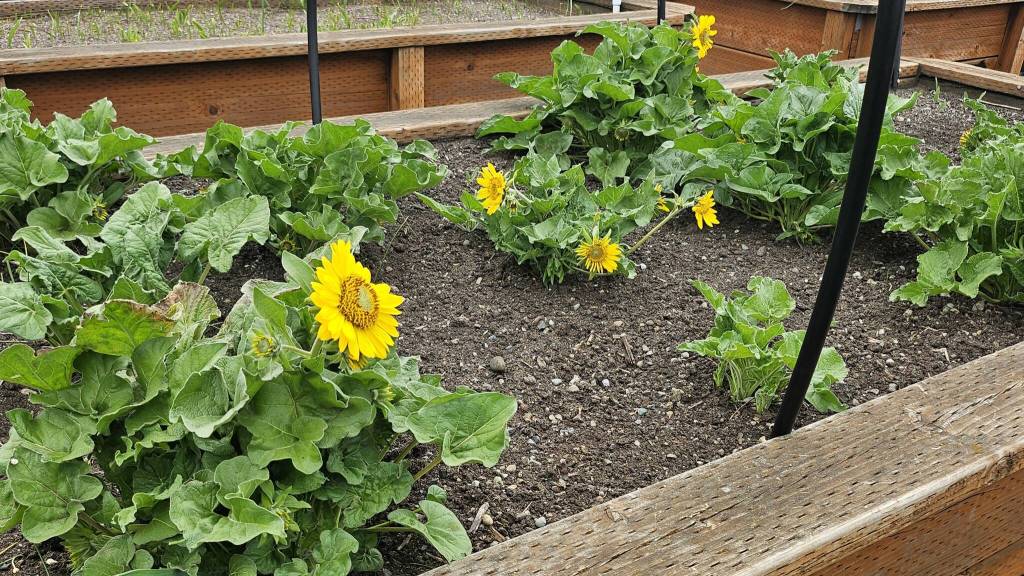
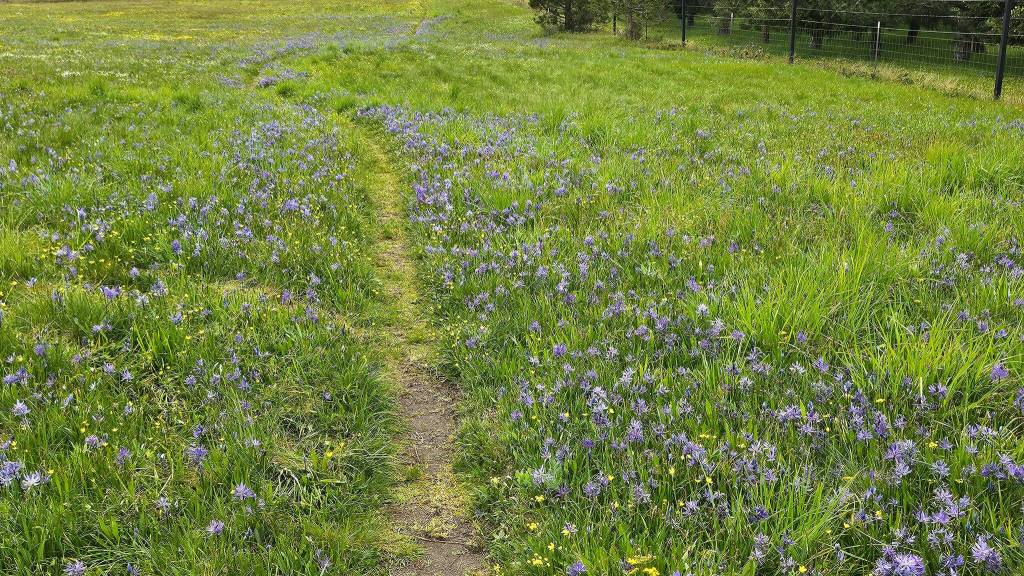




What’s that smell? It might be the sweet, mysterious scent of deltoid balsamroot, a candy-like aroma guests are invited to puzzle over during Prairie Days at the Pacific Rim Institute For Environmental Stewardship in Coupeville.
From May 1–2, the public can wander through a dazzling display of native blooms in one of Washington’s rarest ecosystems: the westside prairie. The event offers a rare chance to visit the prairie before it is officially protected, Board Chair Jim Peskuric said. This follows a months-long effort by Peskuric and the board of trustees to partner with the Whidbey Camano Land Trust to permanently protect the land’s fragile beauty.
Office Manager Julie Clark said the celebration comes at a pivotal moment, with less than 3% of prairie land remaining in the Puget Sound region since the 1800s due to habitat loss, urban development and invasive species. Visitors can expect sweeping views of yellow and purple blooms, with golden paintbrush, camas, chocolate lily and spring-gold dotting the landscape.
“To have 40-plus acres of prairie here on Whidbey Island is really quite special,” Clark said.
Executive Director Murietta Mitschak said the sense of wonder carries into the institute’s mission of conservation.
“Theres only 1% of the prairies left that were here in the United States, and we are working really hard to maintain them,” Mitschak said. “Basically we call ourselves land stewards.”
Behind the scenes, restoration has been decades in the making. Mitschak said the team began with just four golden paintbrush plants. Last year they counted more than 90,000, a milestone that helped remove the species from the endangered list, she said. Camas, once vital to indigenous people, is also making a comeback — bringing with it butterflies and, perhaps one day, the return of native blue birds.
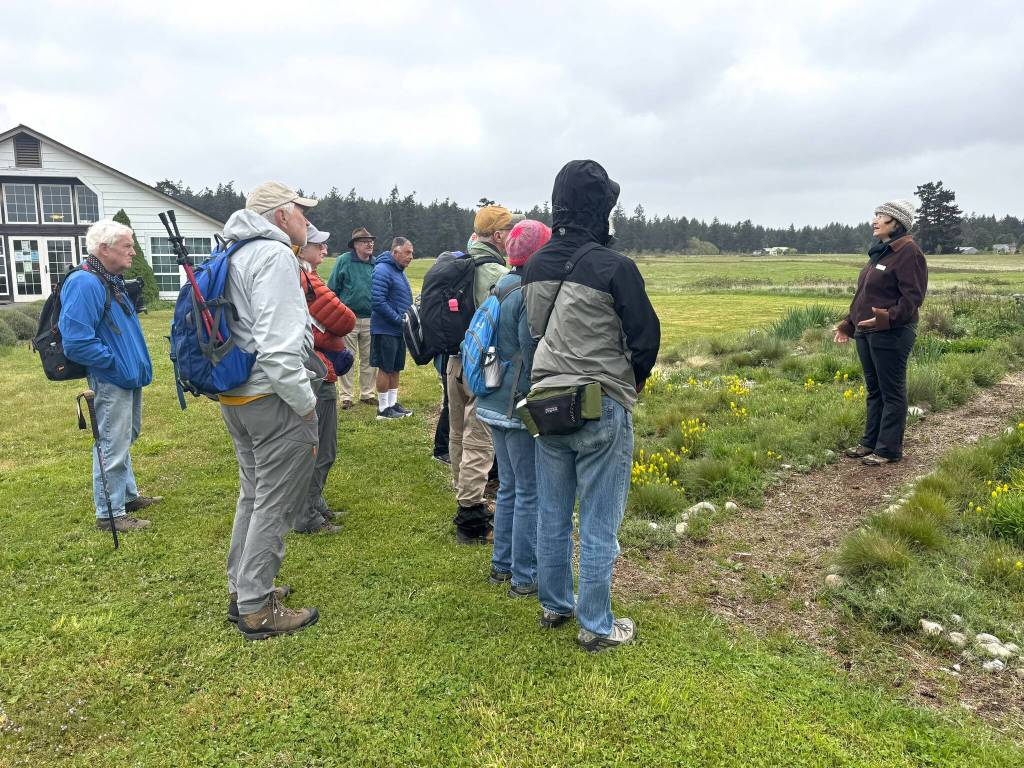
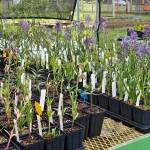
For those eager to explore, Prairie Days offers guided tours across unplowed prairie, with departures at 7:30 a.m., 11 a.m., 2 p.m. and 4 p.m. on Saturday. The event also features a native plant sale from 10 a.m. to 4 p.m. both days, but guests are advised to arrive early on Friday for the best selection. These plants don’t just beautify gardens; they play a crucial role in supporting pollinators and restoring delicate ecosystems.
“If everyone had a native plant garden, what it would do for pollinators would be amazing because pollinators can’t travel that far,” Mitschak said.
The festivities don’t stop there. Visitors can enjoy free educational talks covering everything from “Botany for young sprouts and the rest of your family tree” to “Weeds or medicinal plants?” These will be held at 10 a.m., noon and 2 p.m. in the PRI Granary. Meanwhile, mini-bioblitz sessions invite guests to photograph species across the prairie in 30-minute bursts from 1–4 p.m.
Families and curious explorers alike can dive into prairie-themed scavenger hunts, browse vendor booths and refuel at food trucks.
Visitors are reminded to stay on the paths and not to disturb the wildlife.
For more details, visit the Pacific Rim Institute’s website or reach out directly at info@pacificriminstitute.org or 360-678-5586.