Art for orcas: Whidbey artists join awareness project
Published 1:30 am Tuesday, June 16, 2026
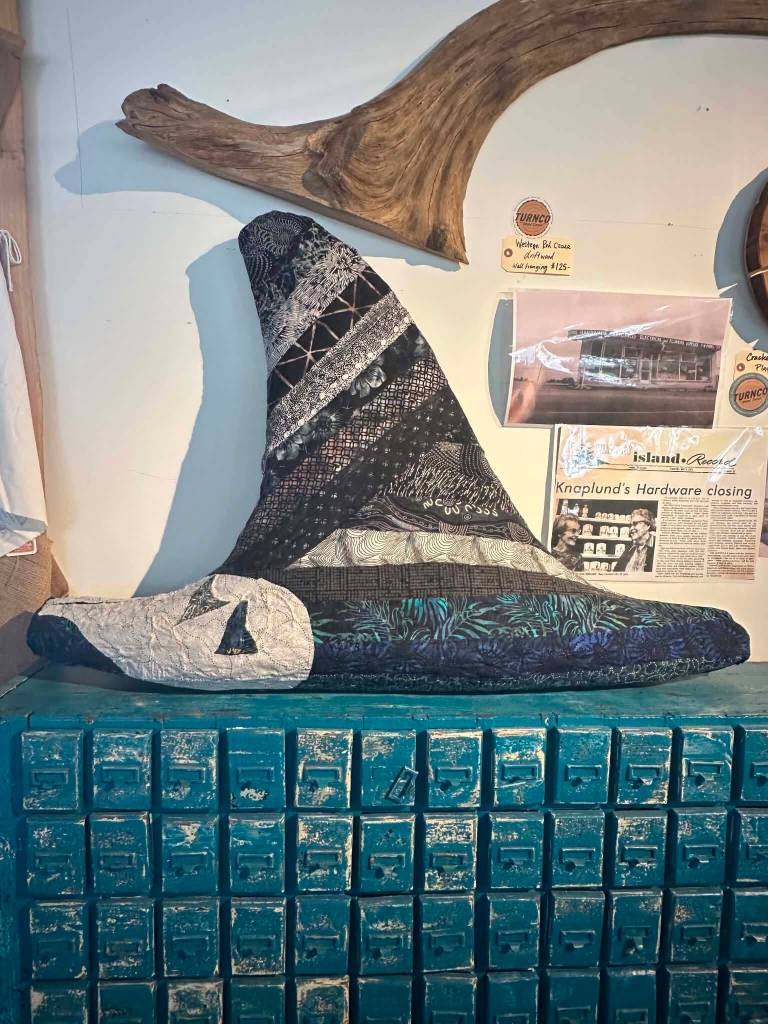
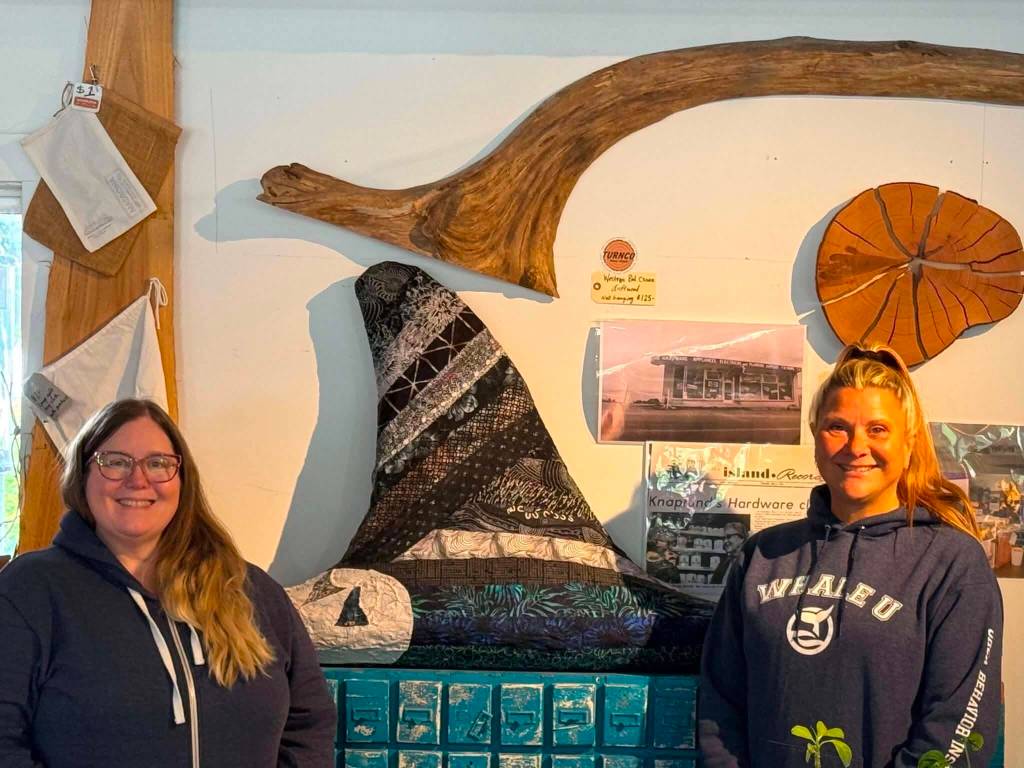
Visitors stepping into Madrona Supply Company in Clinton this month will find more than home goods and local products. Mounted inside the South Whidbey business is a life-sized dorsal fin — one of 75 being displayed across the Salish Sea and beyond as part of a monthlong effort to draw attention to the endangered southern resident orcas.
The display is part of the Orca Behavior Institute’s “OBI Art for Orcas: 20 Years Endangered” project, which coincides with Orca Action Month. The initiative features 75 community-created dorsal fins, each representing one of the 75 living southern resident orcas, also known as killer whales. The project is meant to spark conversations about the orcas’ continued decline and inspire people to learn more about their future.
Whidbey artists Heidi Shank and Cindi Rausch partnered to create a fin honoring J35, also known as Tahlequah. Shank became involved after taking an Orca Behavior Institute class in 2024 that combined artistic instruction with scientific study of southern resident orcas. Rausch, meanwhile, got involved with the institute in 2023 through its research-focused program and has taken several others since.
Rausch said her goal is “to try to carry the love and the plight of our whales to a national and international audience.”
The project traces its roots to the Orca Behavior Institute’s broader conservation mission. Rausch said the organization sought to create 75 fins representing the remaining southern residents and place them in prominent locations to build public awareness.
For Shank, the orca’s story carries a personal resonance as she lost an unborn baby around the same time J35 captured international attention in 2018 by carrying her deceased calf for 17 days through the Salish Sea. While she is careful not to project human emotions onto the orca, she said the event forged a lasting connection.
That connection shaped the pair’s artwork. Inspired by kintsugi, the Japanese art of repairing broken objects in a way that highlights their history, Shank and Rausch incorporated gold thread into the saddle patch to commemorate the calves associated with J35.
For Rausch, Tahlequah’s story deserves to be delivered far beyond the Pacific Northwest.
“She already has carried the message, and perhaps we’re just stewards of that in a small way to help share it further,” she said.
The Whidbey installation also reflects the conservation values behind the project itself. Rausch said nearly all of the materials used to create the fin were recycled or reused through donations and “Buy Nothing” groups, highlighting the connection between everyday consumption and environmental health.
The 75 fins will remain on display through June 30. Visitors can scan a QR code next to each fin to learn more about the project and explore an interactive map showing fin locations.
Even those unable to visit a fin in person can participate through the Orca Behavior Institute website, where interactive maps and information about each installation are available.
“The more awareness that we have,” Shank said, “the more impact we can make.”
Six other orca fins on Whidbey are displayed at the Langley Whale Center, the Animal Hospital by the Sea in Langley, the Animal Control building in Coupeville, the Coupeville Wharf, the Coupeville Library and Ace Hardware in Oak Harbor. More information is available through the Orca Behavior Institute website.