Island artist channels Isadora Duncan
Published 5:00 pm Wednesday, November 1, 2006
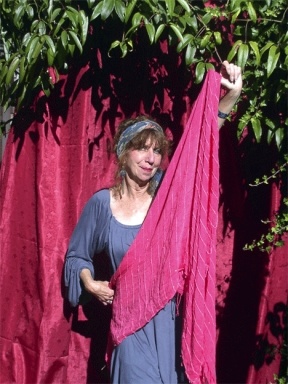
Isadora Duncan was a confident child. So confident that when she decided she would become a dancer, she publicly denounced ballet and created her very own style of movement. Later, she would say the style was influenced by her days spent at the California seaside watching the rhythms of the waves.
In 1890, when she was 13, Duncan gave her first dance recital at the First Unitarian Church in Oakland. And by the age of 19, Duncan was touring the great cities of Europe and dancing in the homes of wealthy patrons.
Some loved her exploration of the “natural dance†— characterized by free-flowing, unrestricted movements accessorized by chiffony, see-through garments and bare feet.
Most critics, however, were less than enthusiastic.
Duncan danced on, determined that her new philosophy of dance, one that rebelled against “deforming the beautiful woman’s body,†would capture audiences with its inspiration of the movement of waves and trees. She identified the source of the body’s natural movement in the solar plexus, thus freeing the posture of the dancer and infusing dance with an earthy passion.
“The dance of the future will have to become again a high religious art as it was with the Greeks,†she said. “For art which is not religious is not art, it is mere merchandise.â€
Duncan eventually won over audiences, created several dance schools, led an extremely adventurous life and is now credited with inventing what came to be known as Modern Dance.
The high drama and frequent tragedy of Duncan’s life is given a colorful and touching portrayal in Martha Furey’s one-woman show, “Solo/Isadora Duncan,†coming Nov. 3 through 5 to the Martha Murphy Mainstage of Whidbey Children’s Theater in Langley.
Furey, a writer and actress, will present her show at 7:30 p.m. Friday and Saturday, and at a 2 p.m. matinee on Sunday.
Furey brought the solo show to Irish and British audiences last year, where it was well received.
Furey warns Island audiences to “be prepared for eccentricity at its highest level.â€
She explained that Duncan was a rugged individualist who created her own style of dance based on the style of the ancient Greeks.
“Her life was filled with great intrigue and controversy at all times, as well as great pain,†Furey said.
Furey has had much experience with writing shows for great women. Some of her past experiences include one-woman shows about Mexican artist Frida Khalo and the poet Emily Dickinson.
When Furey says it’s a one-woman show, she means it. Everything having to do with the production was created by Furey; the script, sets, costumes and publicity materials.
But Furey emphasized that the drama of Duncan’s life is so intense that there need be no “fabricated effects†on her part.
“Her life created the drama of this play,†she added.
Tickets are $10, $8 for students and seniors. For tickets and reservations call 221-8707.