Orca deaths could shed new light on the population
Published 1:00 pm Saturday, August 5, 2006
It’s been more than 30 years since a tragic decline in the Southern Resident orca population, and now, scientists are planning to use DNA evidence from orcas that died during the killer whale round-ups to learn more about the present day population.
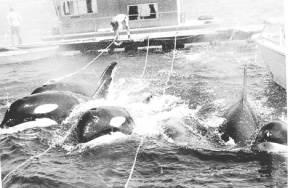
In the 1960s and ’70s a string of orca captures off the shores of Washington wiped out one third to a half of Puget Sound’s Southern Resident orcas.
Orca Network’s Susan Berta said the captures were sparked when a group of fishermen accidently caught an orca in their fishnet.
“They realized they weren’t the man-eating vicious killer whales that they thought,†Berta said.
“They realized they could keep them in tanks and train them and make money with them,†she said.
“A substantial amount of animals were removed,†said Brad Hanson, a scientist with NOAA, the National Oceanic and Atmospheric Administration. “And it was primarily juvenile animals.â€
From 1965 to 1976 an estimated 45 Southern Resident orcas were captured and shipped out to marine parks, and an additional 13 whales were killed during the captures.
When Berta recently learned about a group of NOAA scientists who were trying to find out more about Southern Resident whales by examining their remains in museums, it sparked an idea.
“When I heard they were going around to museums and were looking at bones, I thought, ‘I know there are whales buried on the island,’†Berta said.
The skeletal remains of four or five orcas killed during a 1970s orca capture in Whidbey Island’s Penn Cove will provide the scientists with additional genetic information of the Southern Resident orca community, and perhaps, the answers to some of the mysteries regarding their decline.
“The more genetic samples we have, the greater the weight of evidence,†Hanson said.
NOAA and the Orca Network have determined the whales were buried in three separate sites.
So far, they have been able to locate two of these sites – one in Greenbank and one in Coupeville. They are currently seeking help from anyone in the community who has information about the third burial site, which is thought to be in Oak Harbor.
Beginning next fall, NOAA archeologists and scientists will dig up the remains of the whales and extract genetic information.
“Over the next year, year and a half, we hope to get this completed,†Hanson said.
The bones of the orcas killed in 1970 can provide a wealth of information about the Southern Resident orcas.
Scientists will be able to learn what makes the whales different, but also similar to other orcas. They can get information about nutrition, and will be able to compare the toxicity levels of the whales killed in 1970 with Southern residents today.
“Like a lot of things in science, we have potential ideas about what the payoffs may be,†Hanson said.
“But it’s been a phenomenal development in terms of what the potentials are for getting information out of these samples,†he said.
Berta said the study may help Washington’s remaining orcas.
“Some positive outcome may finally result out of this unfortunate part of Penn Cove’s history,†Berta said. “I hope they can get some good information that can help the population in the future.â€