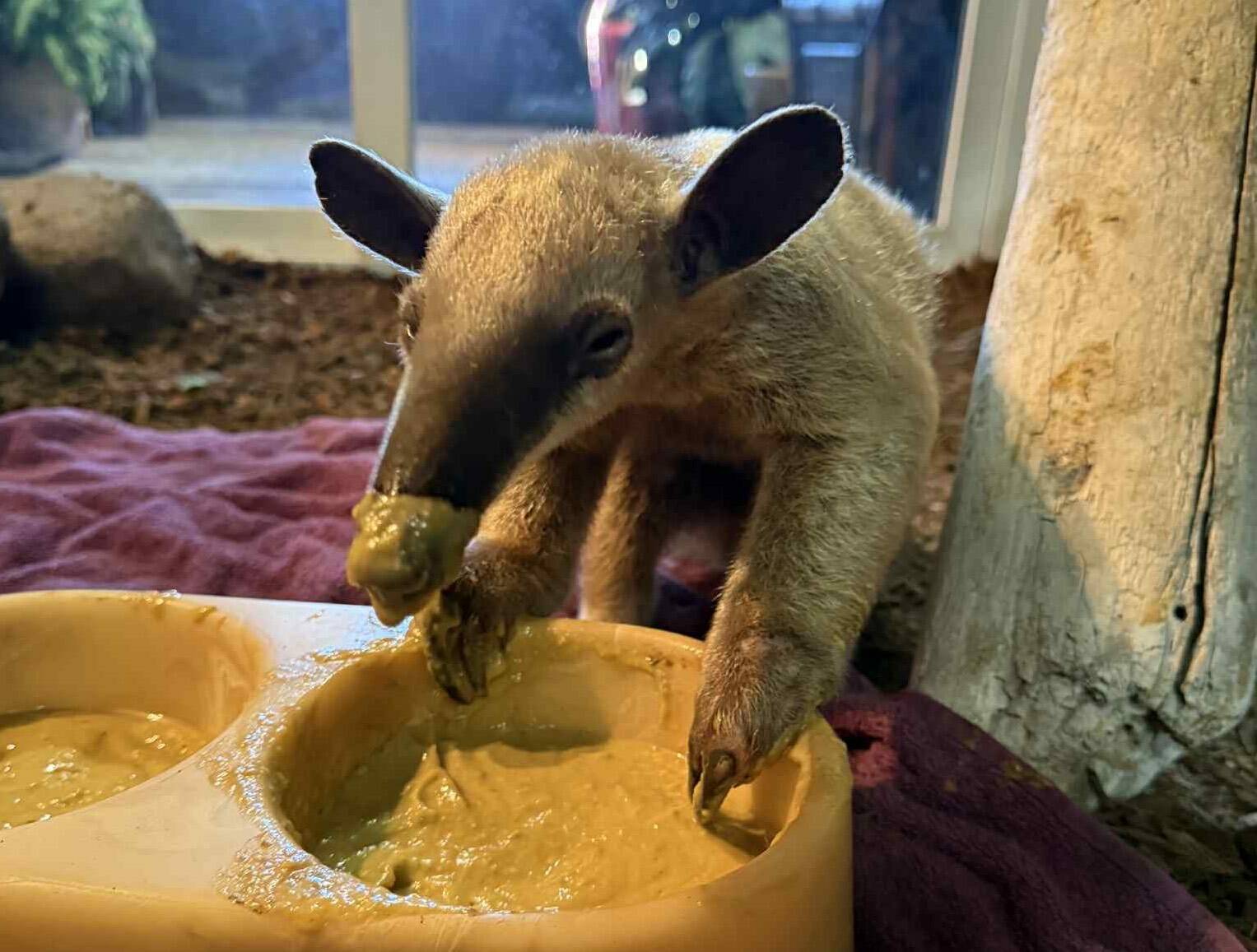
When Payton Wilson, an animal caretaker at Northwest Wildlife Sanctuary on Highway 20 near Deception Pass State Park, recently posted on Facebook asking for help locating ants on Whidbey for two anteaters in her care, she created plenty of buzz online.
“It got a ton of interaction. I had over a hundred comments of people offering their properties and giving me locations around the island,” she said. “I ended up having to just take it down because too many people were like ‘Oh my gosh, bring us your anteaters!’”
No wonder — the female lesser anteaters, or tamanduas, named Cheech and Chong, are irresistibly cute and unlike any other critters found roaming the island.
Wilson estimates the juvenile lesser anteaters weigh roughly five or six pounds and, as arboreals — animals that live in trees — they climb everywhere they can. Having a narrow snout means lesser anteaters cannot open their mouths very wide. Instead of teeth, they have a “sticky, barbed tongue” up to 16 inches long, something Wilson experienced firsthand.
“I had one stick their tongue up my nose the other day,” she said, laughing. “It was so funny, it was the weirdest sensation.”
Wilson began working for the Northwest Wildlife Sanctuary, a nonprofit championing wildlife conservation and education, nearly five months ago; before working with animals, she worked on people as a phlebotomist and dental assistant. While on a tour of the facility for her mom’s birthday, Wilson fell in love with the sanctuary, left her contact information and ended up volunteering so often the sanctuary hired her.
Along with caring for and feeding the animals, Wilson runs the social media accounts, like its TikTok, where the sanctuary has gone viral. Wilson called the gig incredibly “fulfilling.”
“I’ve got such great bonds with these animals. It’s like when a child compliments you, you know they’re not lying,” Wilson said. “When the exotic animals come to me for love or affection or whatever, I’m like, ‘Oh my gosh, this is real! You love me.’ It makes you feel really good.”
Cheech and Chong were born in Guyana, raised in captivity and introduced to the exotic pet trade in Florida, Wilson recalled. The sanctuary purchased the anteaters from someone in Florida who regularly intercepts the exotic pet trade in order to put animals in the hands of groups equipped to properly care for them.
At the sanctuary, which opened three-and-a-half years ago, the anteaters are roommates to over 100 other animals, including sloths, wolves, badgers, porcupines and bear cats, Wilson said. Cheech and Chong have lived at the sanctuary for about a month.
None of the animals in the sanctuary’s care could fend for themselves in the wild. Owner Dave Coleburn, Wilson explained, has a lengthy background working with exotic animals, and the sanctuary is committed to their protection. Euthanasia is never used — all of the animals are kept until the end of their lives, she added. Teaching the public about these animals is a big part of the sanctuary’s mission, and it offers thorough educational tours costing $150 a person.
“They truly are like family,” Wilson said of the sanctuary’s animals. “We put our all into them and take care of them. I have two real children, but I consider these my kids, too.”
Cheech and Chong are fed a diet of watermelon, avocados, bananas, Greek yogurt, oats, honey and insect pellets at the sanctuary, adequately fulfilling their nutritional needs, but they lack the enrichment inherent to hunting and catching insects in the wild. Lesser anteaters can consume up to 9,000 ants in a single day, according to the San Diego Zoo.
As the response to Wilson’s Facebook post demonstrated, there are no shortage of ants to be eaten on Whidbey. What Wilson had not realized when she made the post, however, was the possibility that ants in habitats unfamiliar to anteaters can carry harmful parasites. Pivoting, the sanctuary instead plans to order tubes of live ants and termites online to mimic the hunting experience.
So, Wilson no longer needs scavenging for ants for Cheech and Chong, but her post still benefited the sanctuary.
“There are tons of people that had reached out and messaged me, messaged the sanctuary page, saying ‘I want to come see them, can I come meet them?’ And so it definitely brought some attention and that was the goal,” Wilson said. “So I’m very pleased with that.”
Northwest Wildlife Sanctuary plans to create more volunteer opportunities within the next three to four months, Wilson said. To stay updated on volunteering opportunities, check out the sanctuary’s website at northwestwildlifesanctuary.com.
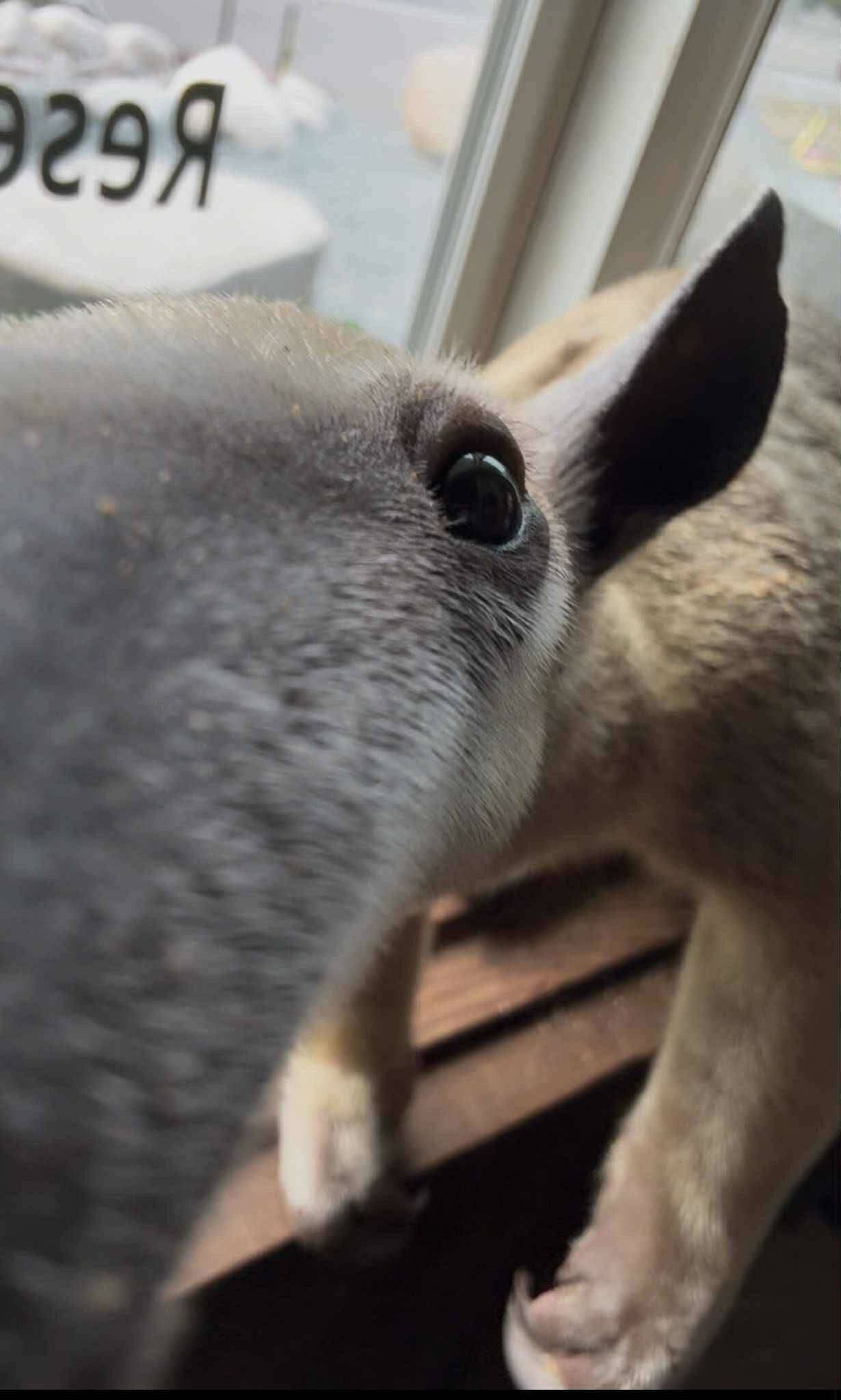
Photo by Payton Wilson Northwest Wildlife Sanctuary is home to two cute and curious lesser anteaters responsible for quite a bit of buzz online recently.
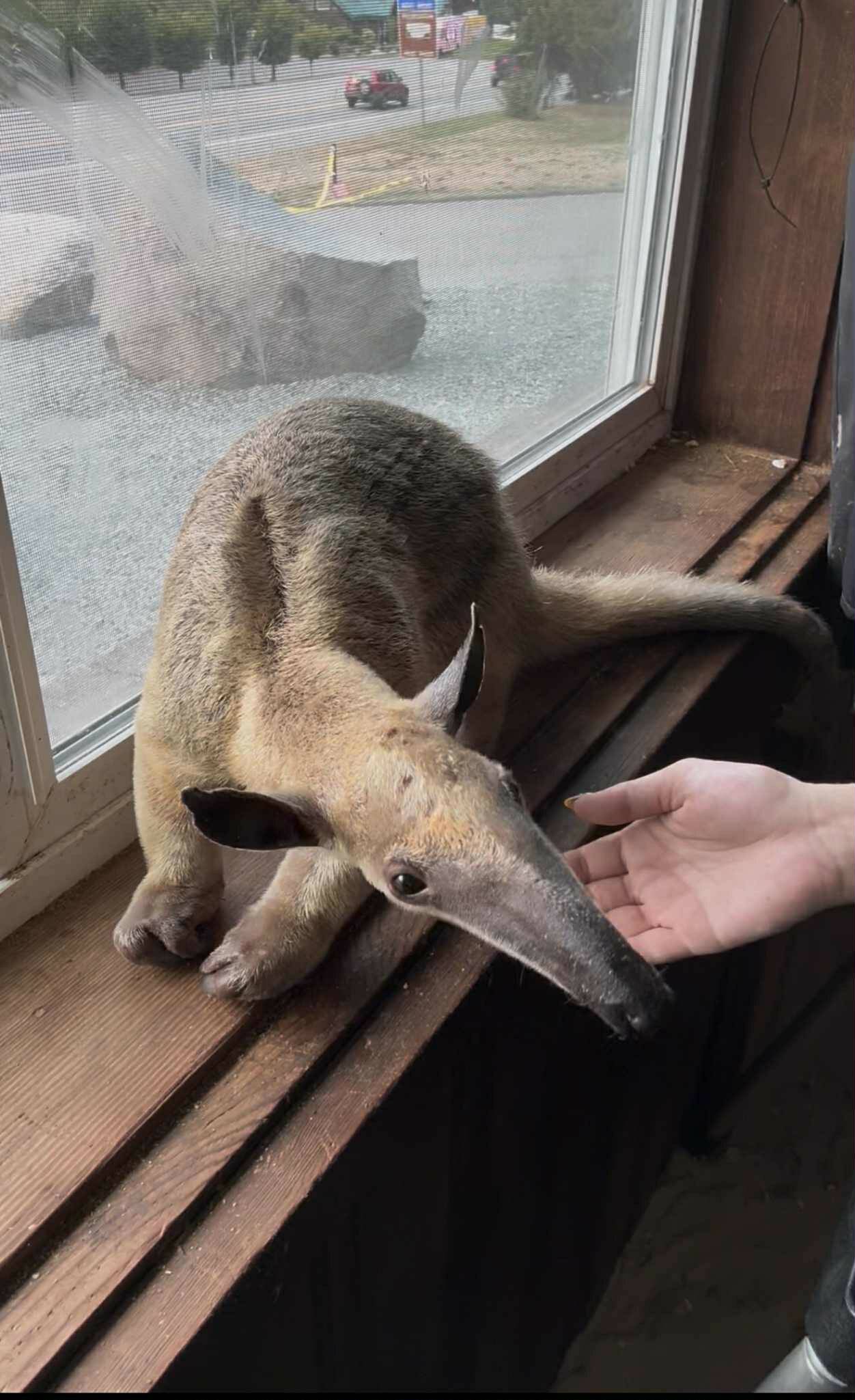
Photo by Payton Wilson Northwest Wildlife Sanctuary is home to two cute and curious lesser anteaters responsible for quite a bit of buzz online recently.
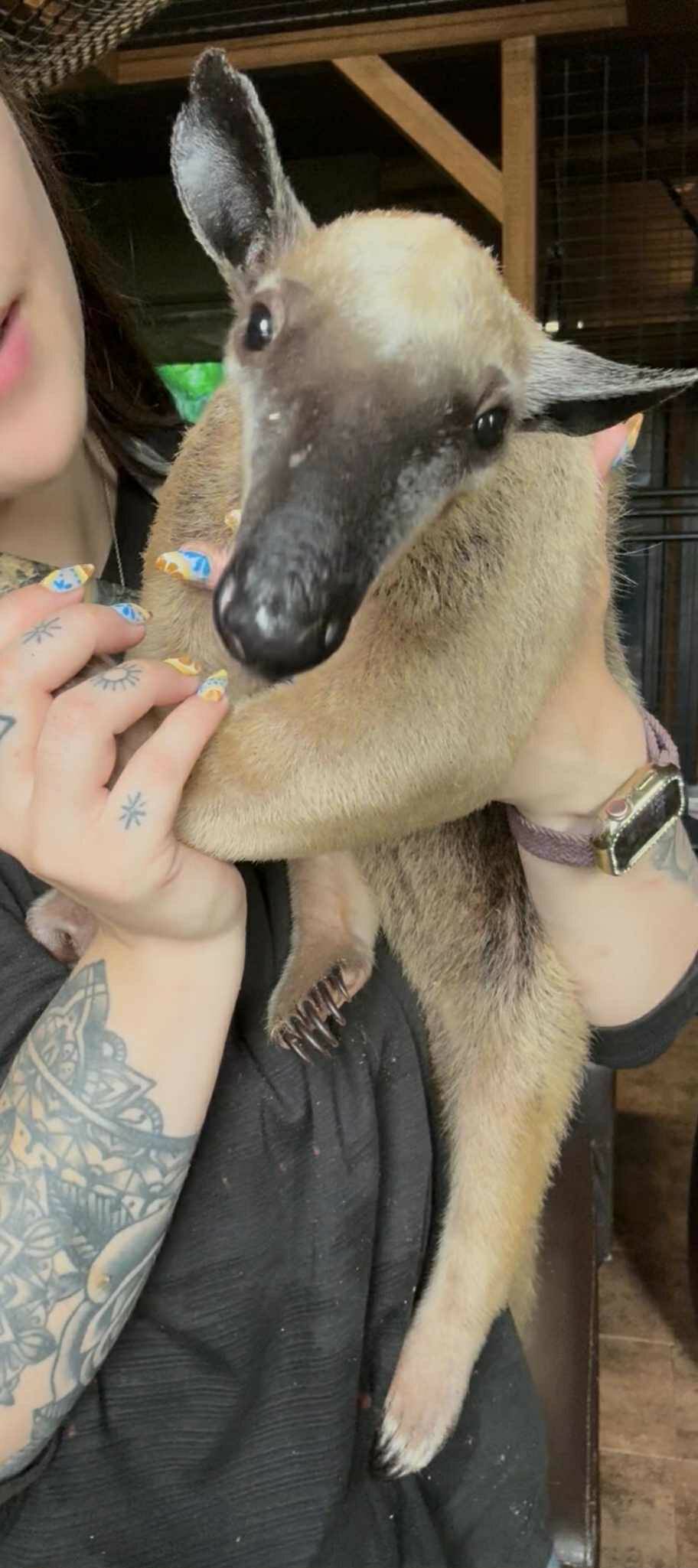
Photo by Payton Wilson Northwest Wildlife Sanctuary is home to two cute and curious lesser anteaters responsible for quite a bit of buzz online recently.
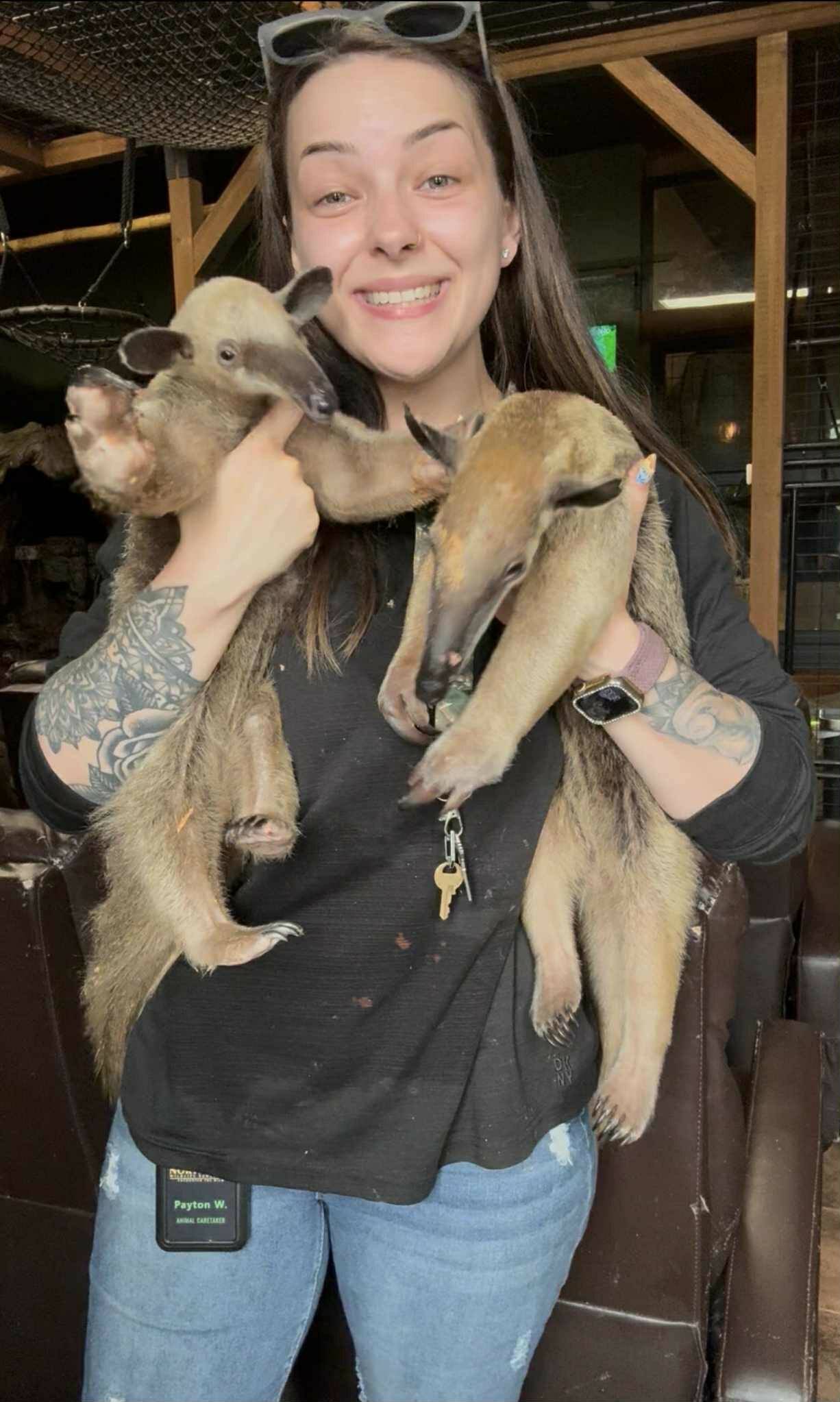
Photo by Payton Wilson Payton Wilson worked in medicine before becoming an animal caretaker and said she loves the anteaters — and the rest of the sanctuary’s animals — like her own children.
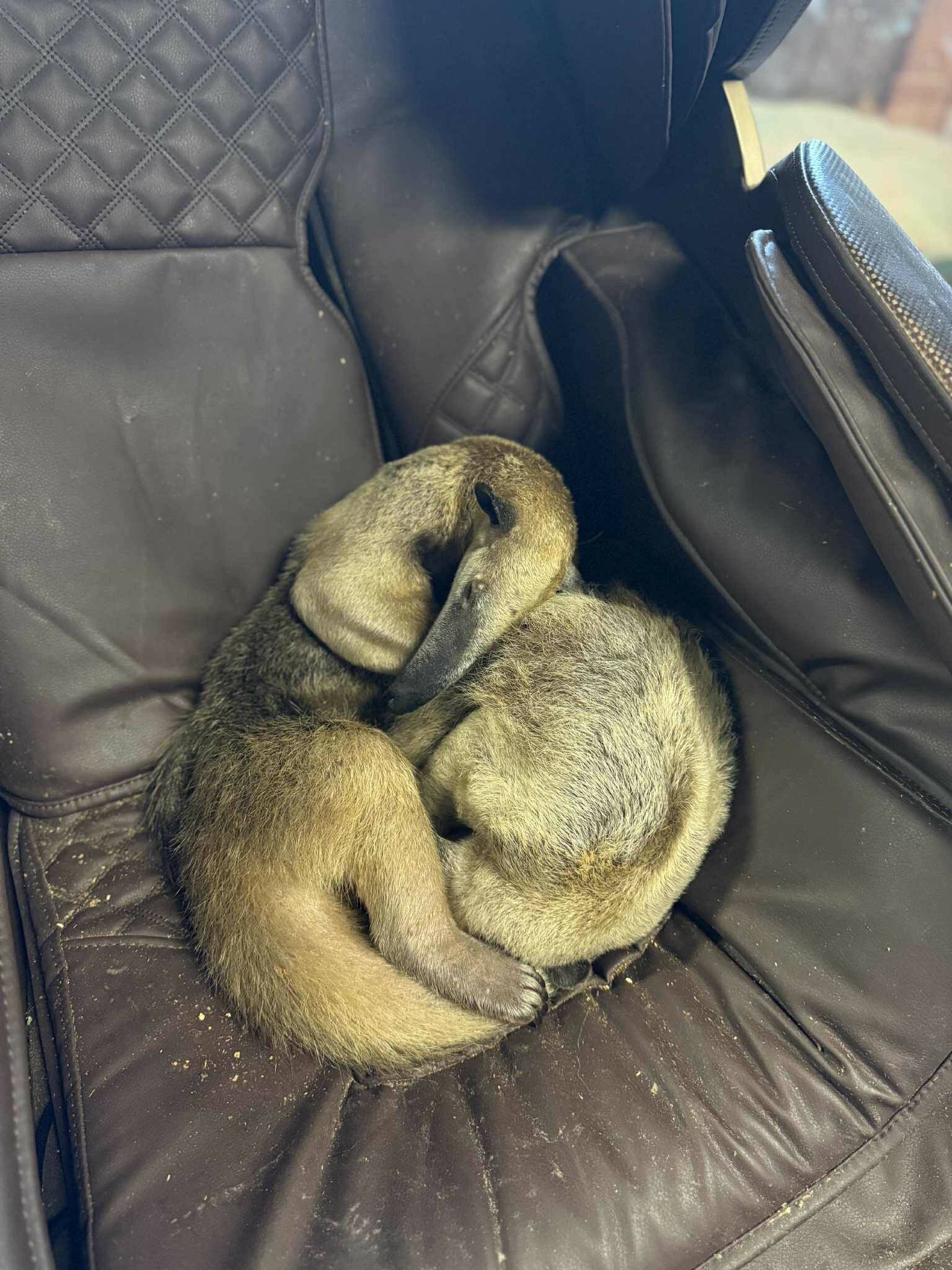
Photo by Payton Wilson Payton Wilson worked in medicine before becoming an animal caretaker and said she loves the anteaters — and the rest of the sanctuary’s animals — like her own children.
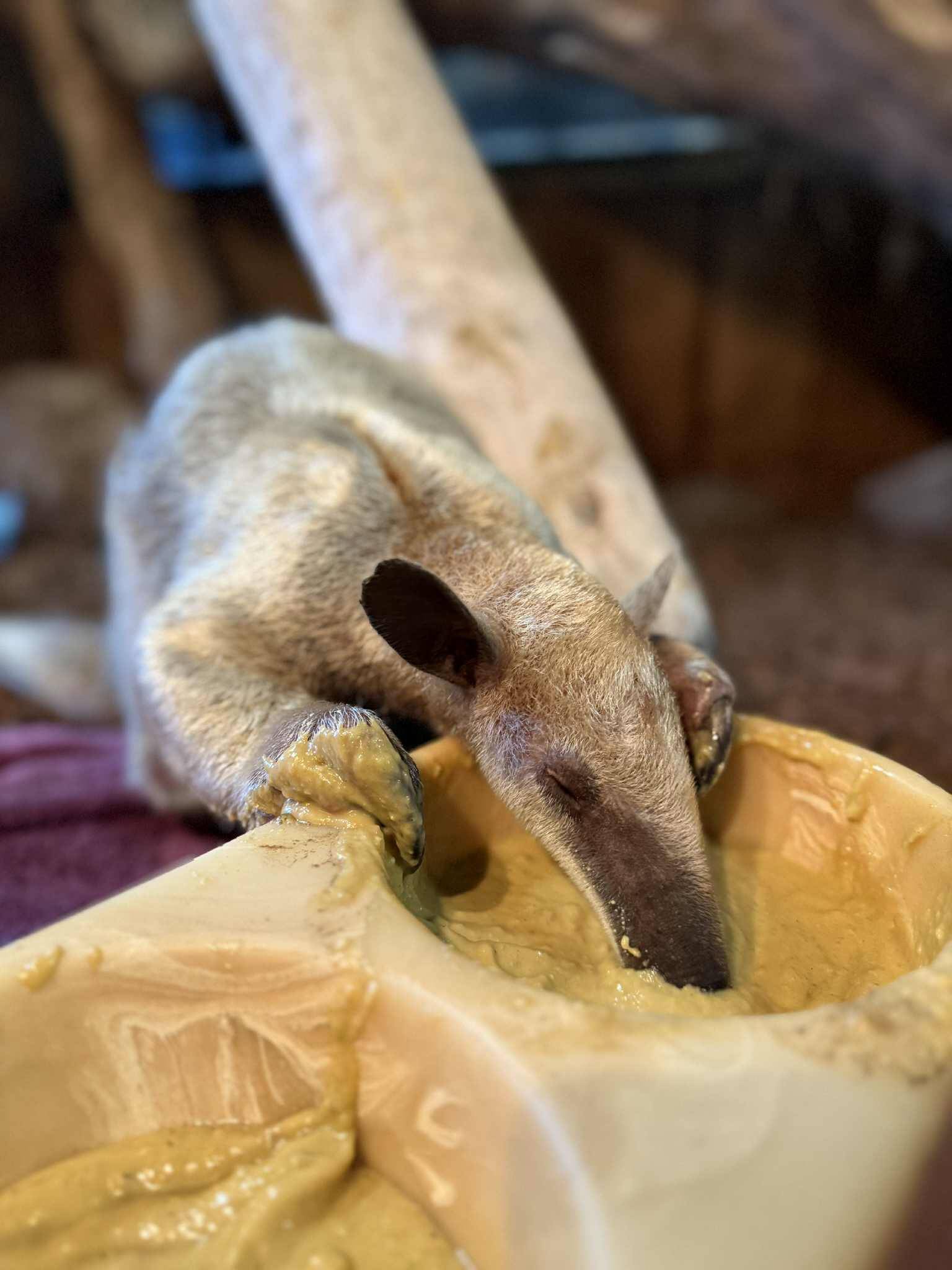
Photo by Payton Wilson Payton Wilson worked in medicine before becoming an animal caretaker and said she loves the anteaters — and the rest of the sanctuary’s animals — like her own children.
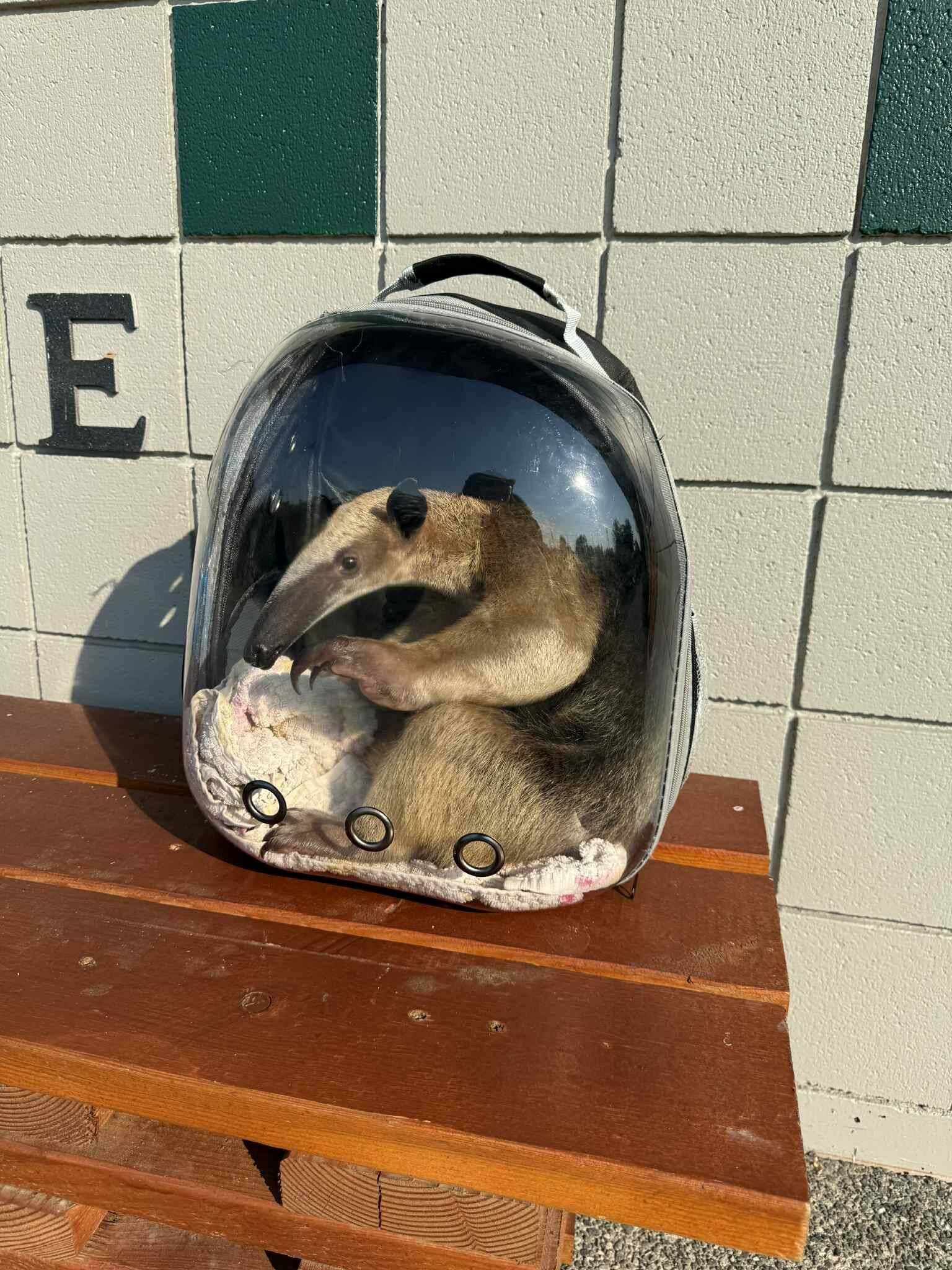
Photo by Payton Wilson Payton Wilson worked in medicine before becoming an animal caretaker and said she loves the anteaters — and the rest of the sanctuary’s animals — like her own children.