Ephemera of history: Whidbey man makes documents for Ken Burns program
Published 1:30 am Friday, October 31, 2025
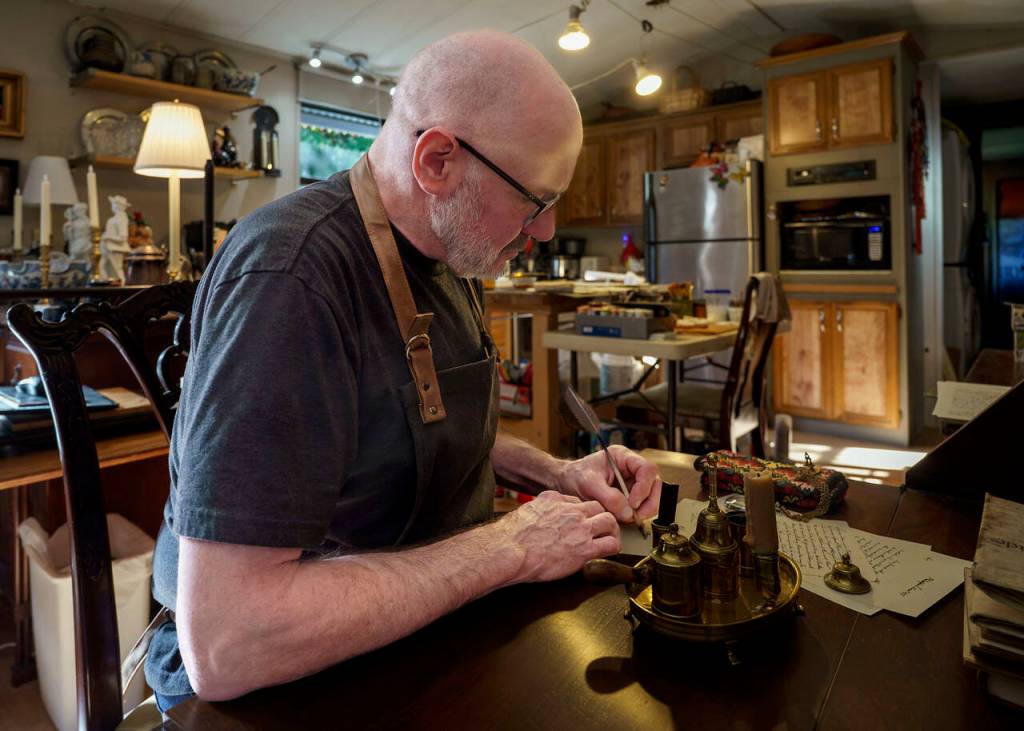

History is being remade on the South End.
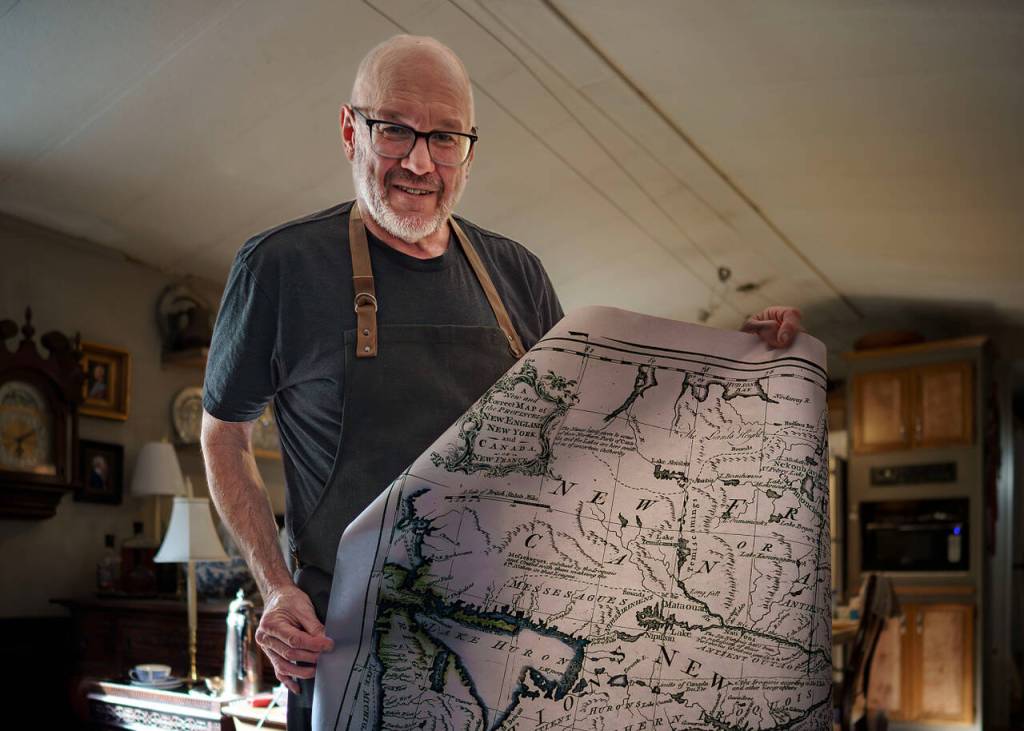
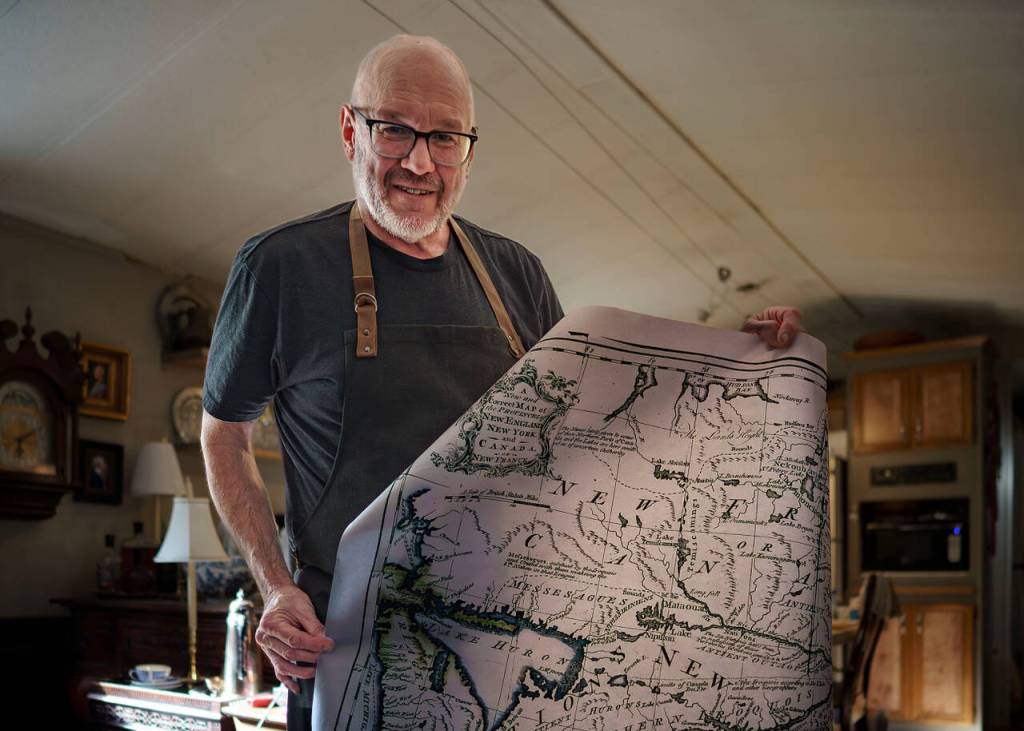
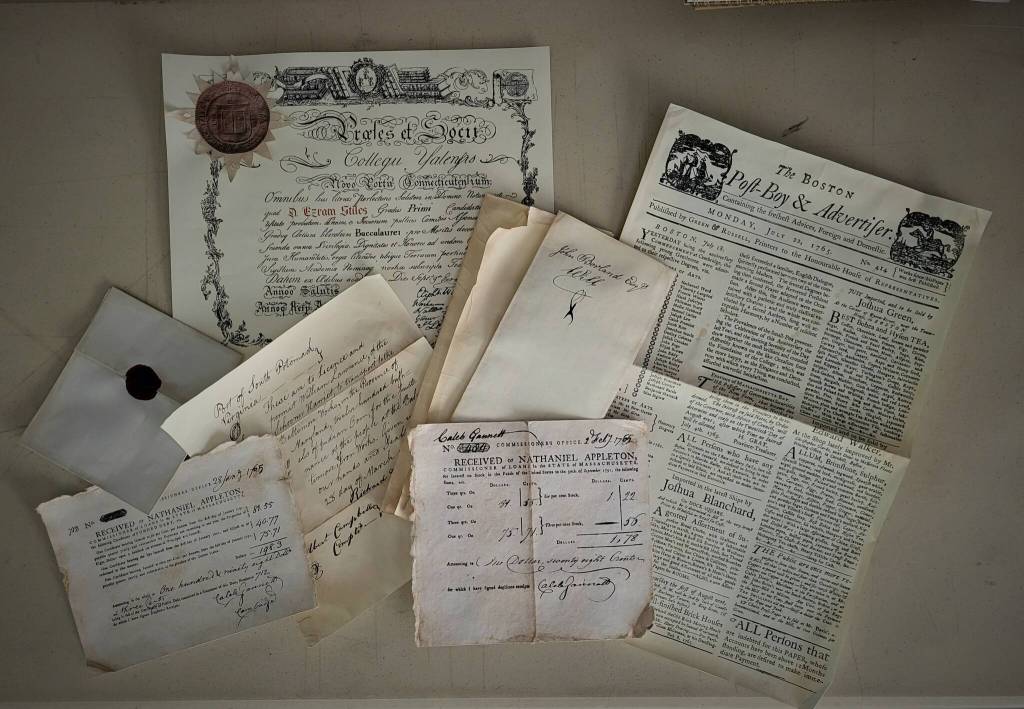
Artist Paul McClintock specializes in recreating historically accurate ephemera — maps, letters, newspapers and more — from his Clinton-based From Common Hands Studio. American documentary filmmaker Ken Burns and production company Florentine Films tapped his expertise for the upcoming six-part, 12-hour documentary series, “The American Revolution,” set to premiere Nov. 16 on PBS.
“It’s amazing,” McClintock said. “Growing up watching (Burns’) documentaries and stuff like that — I never though I would ever be a part of it.”
Believe it or not, McClintock loathed history in school, finding retaining so many names and dates troublesome. But raised in a history-obsessed household — his mom working as a hearth cook making historical meals over open fires, his dad a gunsmith reproducing long rifles — meant coming around to it was inevitable.
“I was born into it,” he said. “It definitely runs in the blood.”
McClintock fell in love with 18th century material culture and architecture, eventually leading to a job at the historical Missouri home of American frontiersman Daniel Boone. When he later moved to Whidbey Island in 2005, he painted before taking up bookbinding and, well, the rest is history.
Recreating ephemera transports McClintock back in time; he feels as if he is in a different world when he works. History is appealing to him when it bears a three-dimensional quality.
“It’s bringing life and showing people that these were real people that lived in that time period and not these names in black and white on a page of a history book,” he said.
Such is a shared goal of Burns’ upcoming documentary.
Eight years in production, “The American Revolution” premiere marks the 250th anniversary of the start of the Revolutionary War. According to a press release, the documentary takes an “expansive look at the virtues and contradictions of the war and the birth of the United States of America” and follows stories of people from a variety of backgrounds — Continental soldiers and American militiamen, British Army officers, Native soldiers and civilians, enslaved and free African Americans and others.
McClintock is well-known among reenactment actors and museums on the East Coast, where much of the filming of “The American Revolution” took place. In 2023, a reenactor associated with the production and familiar with McClintock’s work put in a good word for him, leading to the opportunity to create newspaper reproductions, maps and Stamp Act-taxed documents — like diplomas, wills and testaments — for the documentary.
“I’m not sure who, but I need to give thanks,” McClintock said. “He had mentioned, ‘Oh, wow, you need to talk to Paul McClintock, From Common Hands Studio.’ And so we got a telephone call and that’s what started it.”
After receiving the files of the documents needing recreations, From Common Hands Studio cleaned them up and printed them on paper similar to what would have originally been used. McClintock said he uses laid paper, bearing the ribbed texture of the screens which make it, as well as hand-marbled paper from Germany and the United Kingdom.
Documents are hand-antiqued, using walnut ink to mimic the effect of foxing, or deterioration, and to yellow and darken the paper’s edges. Wax seals are applied to some letters and documents.
Time spent on each project varies, but ephemera averages a week depending on how large and detailed the finished product will be, McClintock said. Bookbinding takes longer, as the paper must be hand cut, folded, pierced and sewn before leather and marbled paper covers are added.
From Common Hands Studio’s clients are various. Museums often request recreations of books and documents for the public to handle instead of the easily damageable originals. Reenactment actors sometimes need props to supplement their performances. McClintock even creates fake food for exhibits and historical sites.
As a result, McClintock’s work has been featured in places like the Museum of the American Revolution in Philadelphia, and in other films like “The Pale Blue Eye,” released in 2022 starring Christian Bale and Gillian Anderson.
McClintock has yet to tire of seeing his work in the wild. Whenever a film or television show including his work is released, he said he keeps his eyes peeled for glimpses of his creations, and that is exactly what he plans to do upon the release of “The American Revolution.”
“I”m going to be glued to the screen and pausing it and taking pictures of my work,” he said, laughing.